


Making sustainable supply chains possible
Learn how Fast Radius makes the impossible possible
All Case Studies
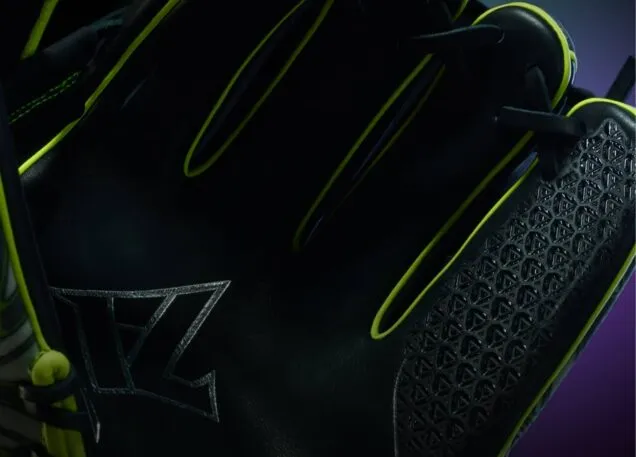

Bringing a revolutionary ball glove out of development and onto the diamond.
Read case study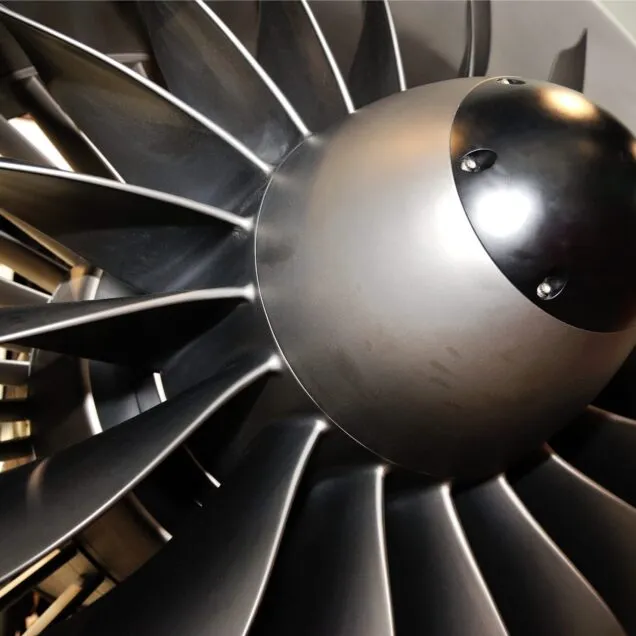

Satair, an Airbus services company, wanted to expedite aircraft maintenance through on-demand tools manufacturing.
Read case study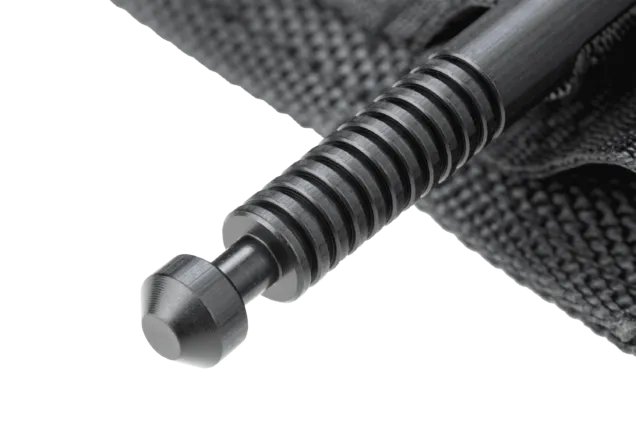

TacMed Solutions needed a manufacturing partner for critical parts due to rising order quantities and the war in Ukraine.
Read case study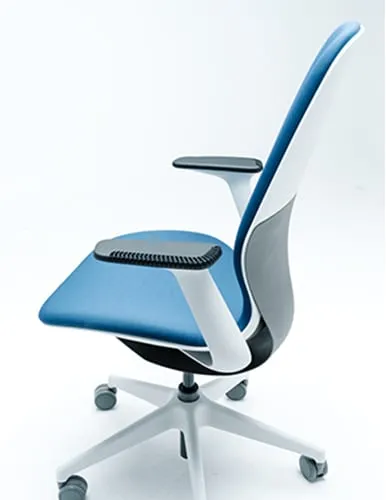

Working with Fast Radius allowed us to explore what’s now possible – we were able to identify, design, and produce a real end-use product with additive.
Read case study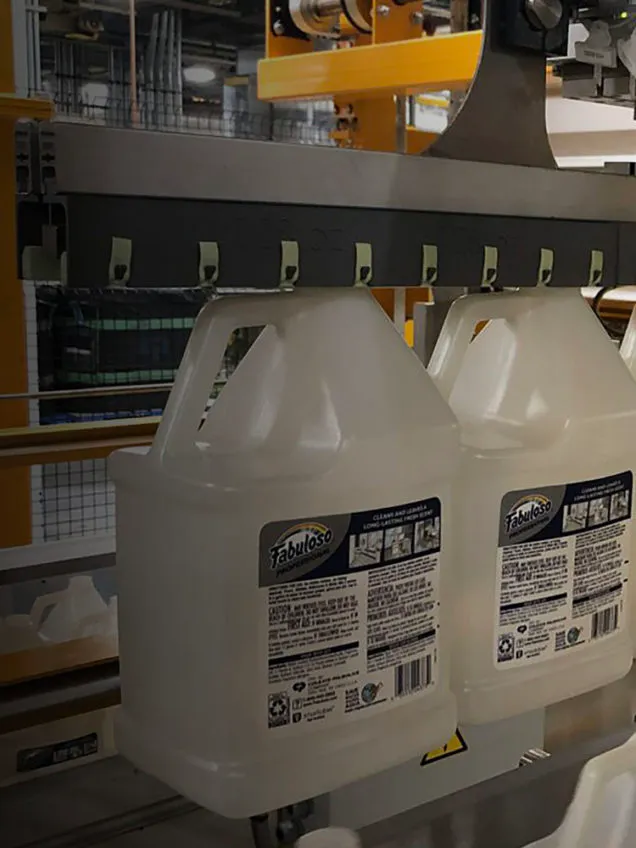

Colgate needed to improve efficiency on a bottling line where a malfunctioning part was causing stoppages and waste.
Read case study

Simbe Robotics needed a low-cost option to manufacture small batches of critical parts for their Tally 3.0 autonomous retail intelligence robot.
Read case study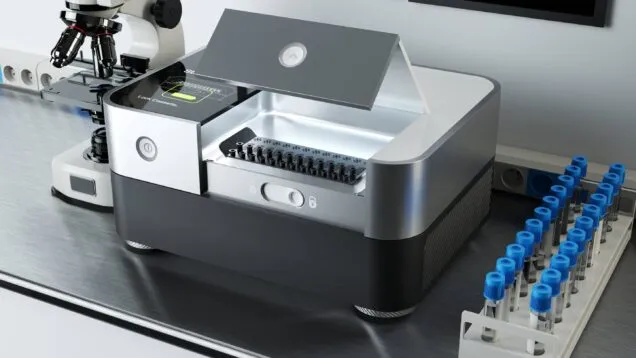

To meet the demand for point-of-care (POC) COVID-19 testing, a team from Fast Radius and the University of Illinois used additive manufacturing.
Read case study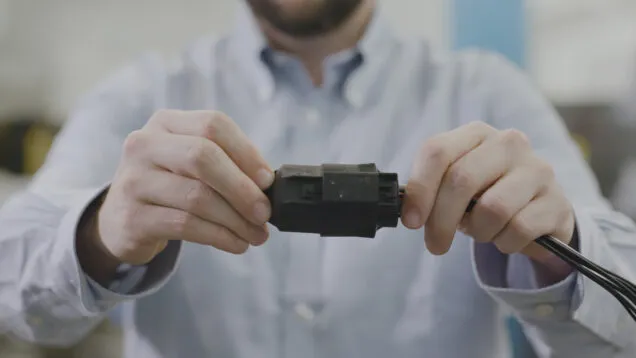

Aptiv wanted an innovative supply chain solution for low-volume production for Ford, a leading American automaker.
Read case study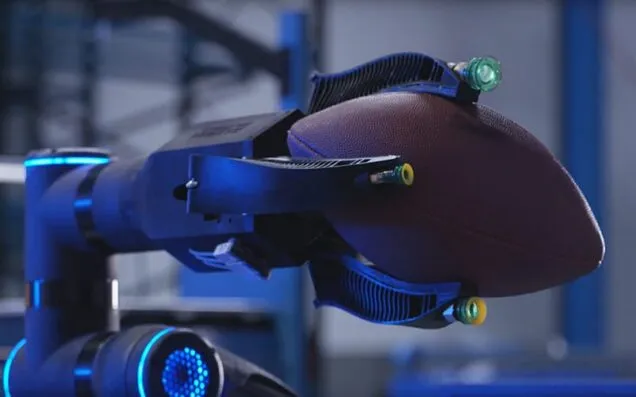

Bastian Solutions envisioned a customizable, next-generation materials handling robot made with additive manufacturing.
Read case study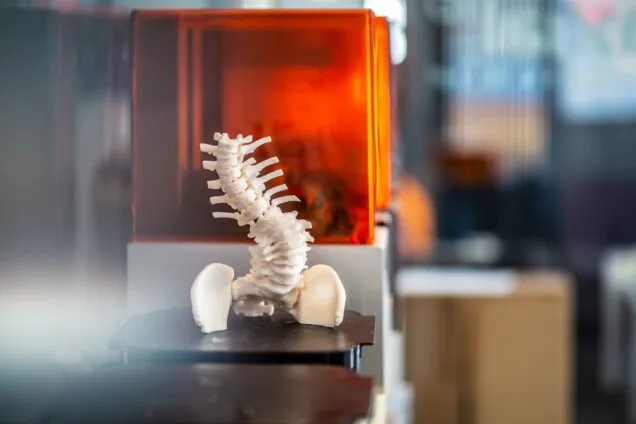

Axial3D needed to find a partner to produce its surgical models, at scale, with the speed required by surgeons.
Read case study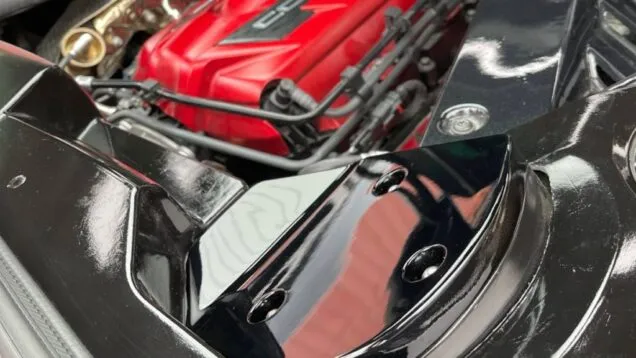

Evans Motorsport Performance (EMP) designed a specialty aftermarket part for the new Chevrolet Corvette C8.
Read case study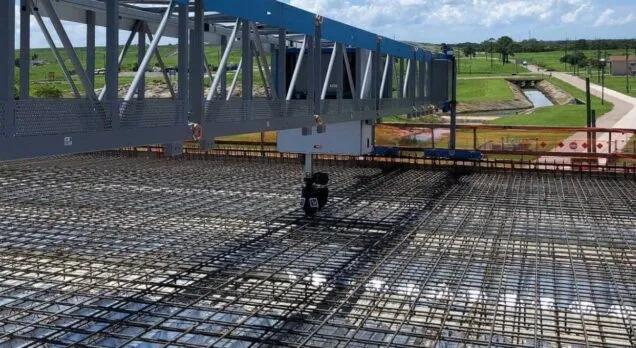

Advanced Construction Robotics (ACR) needed a reliable manufacturer for critical parts for their new rebar-tying robot, TyBot.
Read case study

Cobalt Robotics wanted to make their security robots more approachable. Fast Radius met their strict specifications and reduced their urethane casting costs by 60%.
Read case study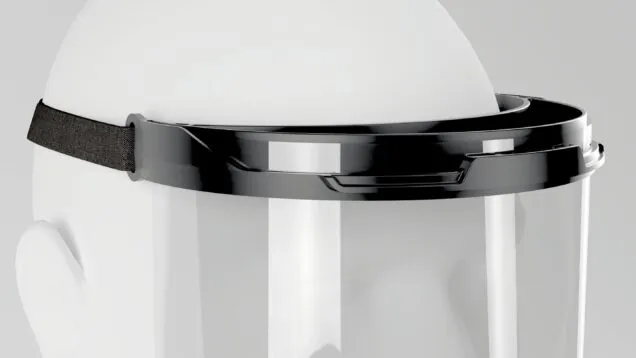
To help people get back to work quickly and safely during the coronavirus pandemic, our team at Fast Radius made a durable, reusable face shield.
Read case study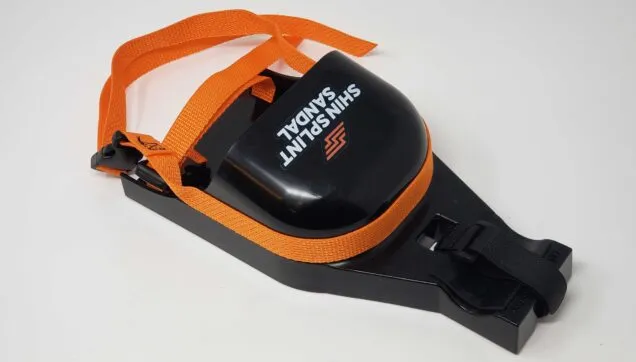

Flip Rehab had an idea and design for a novel solution to a common physical ailment: the Shin Splint Sandal.
Read case study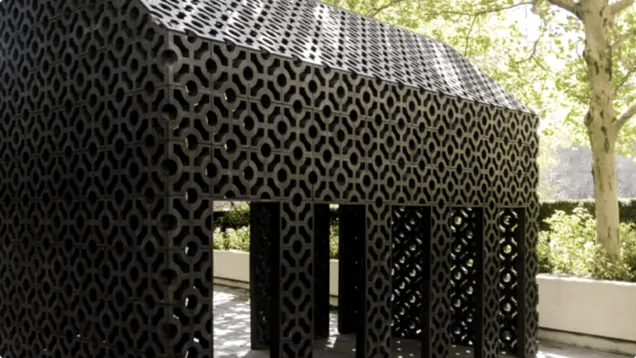
Navillus Woodworks was tasked with the production of an outdoor art installation that could weather Chicago’s harsh climate.
Read case study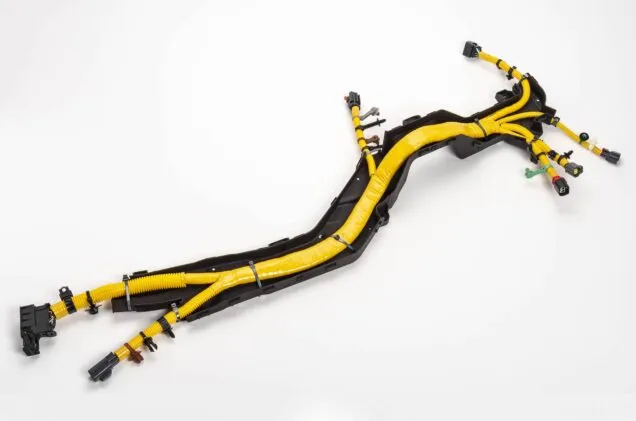

HellermannTyton needed to manufacture a package of wire routing aids for a prototype vehicle.
Read case study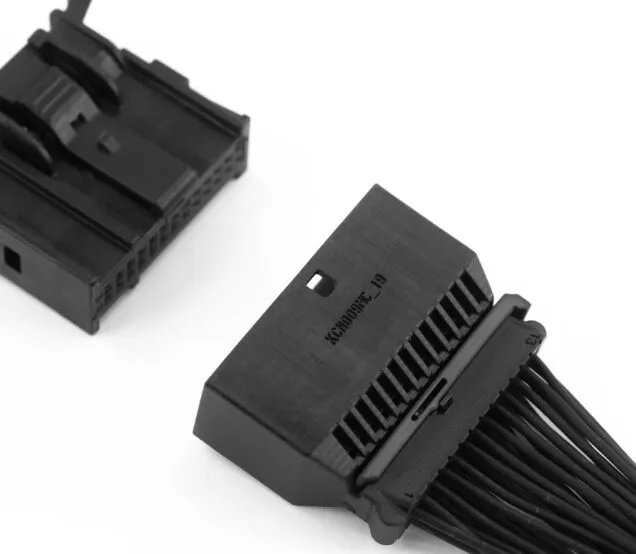

TE Connectivity needed to manufacture a new electrical connector for a diagnostic module used by a major American automaker.
Read case study
ClarinetXpress needed to find a way to make high-performing clarinet mouthpieces for elite musicians after they lost a trusted supplier.
Read case study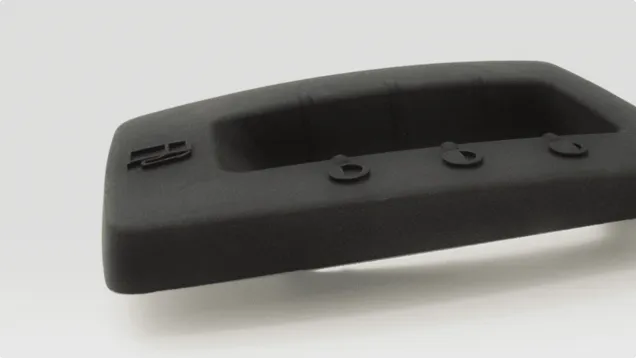

Husqvarna Group wanted to streamline their spare parts supply chain and reduce their carbon footprint.
Read case study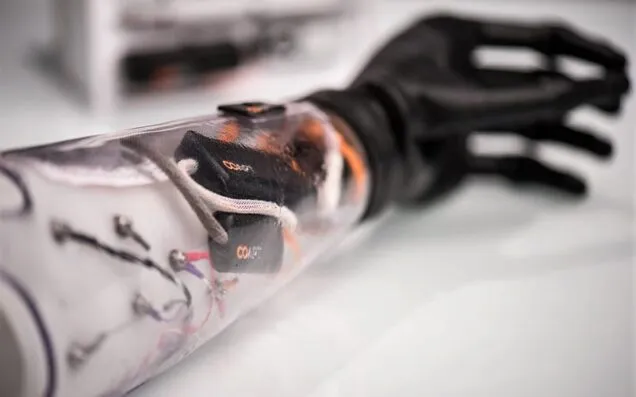

Coapt needed help bringing its next-generation prosthetic arm to life under a tight deadline.
Read case study
Have a Part in Mind? Let's Talk.
Our engineers will help you choose the right process, from prototype to production.
Making the perfect game possible
Bringing a revolutionary ball glove out of development and onto the diamond
Revolutionizing the baseball glove
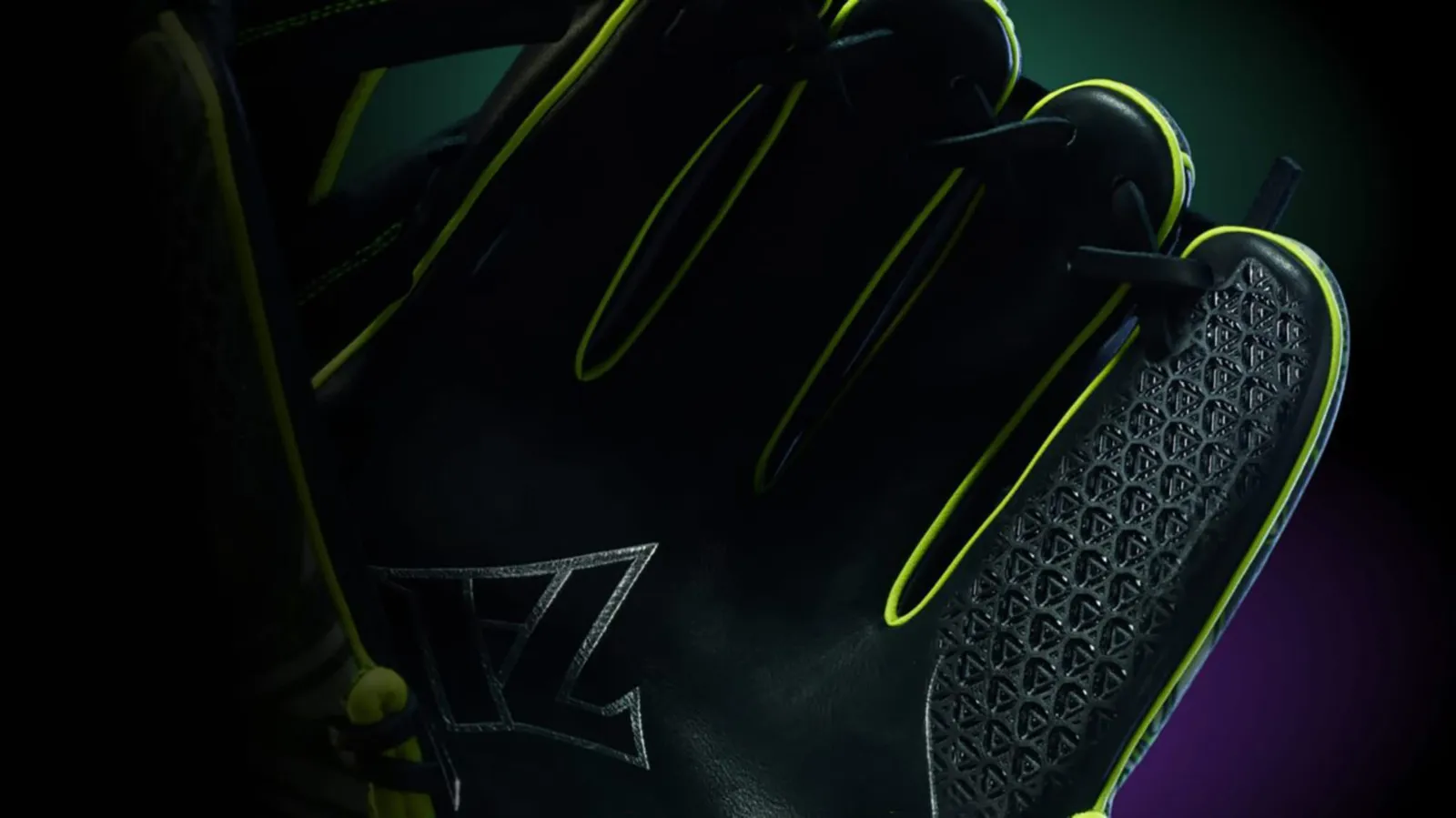
The baseball glove is one of the most important pieces of equipment in the game, but its core technology has been slow to change. Armed with a mission to revolutionize ball gloves, Rawlings developed the REV1X™, a glove that leverages the Carbon Digital Light Synthesis™ (DLS) process to speed up reaction times and improve gameplay.
Rawlings worked with Carbon to replace traditional foam or wool parts in the glove’s thumb and pinky with latticed pieces that are lighter and thinner using Carbon FPU 50 material. The REV1X lattices are tuned with variable stiffness that conforms to the player’s hand, improving ball control. Unlike traditional gloves, the REV1X is ready for gameplay immediately, and it’s more durable and long-lasting. Once Rawlings perfected the design for the REV1X, they turned to Fast Radius to scale to production while preserving their exacting performance standards.
Ramping up to industrial-grade additive production
Fast Radius met Rawlings’ needs with expansive production capacity and skilled engineers who were able to adjust the inserts for manufacturability. Well-versed in the unique challenges of printing lattice structures, the experts at Fast Radius developed a solution to make sure the parts printed reliably every time.Working closely with Rawlings, Fast Radius quickly built a comprehensive plan for manufacturing the inserts. Every piece of information needed to make the parts — from the design files, to custom post-processing methods, to fulfillment instructions — is stored in a build package in the Fast Radius Cloud Manufacturing Platform™ so the parts can be made perfectly today, next week, next year, and beyond.
The Fast Radius build package
Fast Radius used its Cloud Manufacturing Platform to power Rawlings’ entire project from initial design validation through quality, production, and fulfillment.
Unrivaled expertise and close collaboration
Scalable infrastructure
Fast Radius has the large fleet of Carbon printers and the team of expert manufacturing technicians that Rawlings needed to launch and maintain ongoing production — with the option to scale up or down to match demand.
Repeatable, reliable parts
Every aspect of the production process for the REV1X is stored in a build package in the Fast Radius Cloud Manufacturing Platform™ to ensure parts can be made reliably anywhere and any time.
Custom solutions
Rawlings determined that FPU 50, an impact, abrasion, and fatigue resistant semi-rigid material, was the ideal material for the inserts. However, FPU 50 can be challenging to post-process. Fast Radius dialed in the printing process and developed custom post-processing methods to preserve the tight tolerances needed for the intricate lattice structures. Ultimately, they improved part yield by more than 4x from initial tests.
Frictionless partnership
Throughout the product launch process, Fast Radius worked closely with Rawlings to make sure the glove inserts met their high standards for quality. The two teams also worked together to meet Rawlings’ price and timing requirements.
Expedited speed to market
The Fast Radius team made it easy for Rawlings to test, iterate, and move into production immediately.
Francisco Lindor image courtesy of Rawlings
With this project, speed was key. Fast Radius went above and beyond to hit our deadlines and deliver the high-quality, consistent parts our athletes expect.

Fast Radius – Carbon Partnership
As a premiere member of the Carbon Production Network, Fast Radius has the largest fleet of public-facing Carbon DLS printers in North America. The experts at Fast Radius have vast experience with the DLS platform and a close working relationship with Carbon that ensures Fast Radius is always up to date with the latest in Carbon technology and materials.
Our award-winning microfactories
Fast Radius microfactories have been recognized as among the most innovative manufacturing facilities in the world by the World Economic Forum.
Inside the REV1X
A durable, lightweight, responsive glove that gives players an edge
Fast Radius provided the partnership Rawlings needed to get the REV1X onto the hands of baseball players everywhere. The REV1X build package, stored in the Fast Radius Cloud Manufacturing Platform, will allow Fast Radius to scale production for ongoing sales of the glove. For Rawlings and the sporting goods industry, this project heralds a new era of making new things possible with Cloud Manufacturing.
Consistency was the biggest challenge that we saw when making these components. Fast Radius really knew what needed to be done to ensure that we were getting a consistent, accurate product print after print.
Have a Part in Mind? Let's Talk.
Our engineers will help you choose the right process, from prototype to production.

Making Faster Flight Maintenance possible
Satair, an Airbus services company, wanted to expedite aircraft maintenance through on-demand tools manufacturing. During a joint pilot project, Fast Radius worked with Satair to deliver an innovative multi-process manufacturing solution that has the potential to transform the aerospace market.
Getting grounded aircraft back in flight faster
Satair came to Fast Radius with a vision: Reduce flight delays by transforming the speed and sustainability of aircraft maintenance tool delivery
Satair serves customers in the global aerospace value chain by delivering parts management, distribution, and support solutions.
The company prides itself on anticipating individual customer needs. In aircraft maintenance, that means delivering the parts and tools customers need to get aircraft back in the air quickly. Satair envisions a world with fewer flight delays, faster travel, and the highest standards of safety.
In the traditional maintenance process, maintenance, repair, and overhaul organizations (MROs) or airlines can sometimes wait up to several weeks for a new, conventionally manufactured maintenance tool. This wouldn’t normally be an issue, but sometimes tools are needed much more quickly than anticipated. Currently, Satair services hundreds of airlines and MROs worldwide.
Satair wanted to expedite Airbus aircraft maintenance by significantly reducing the lead time for delivery of the necessary tools while also exploring potential ways of reducing resource and material waste along the way.
Satair was already operating at the highest level of safety and security, and any product or supply chain changes had to meet that same standard.
Exploring advancements in the manufacturing supply chain with the Virtual Warehouse
To meet Satair’s goals, Fast Radius tested and implemented several digital solutions during this innovation project. The teams used digital manufacturing to:
- Reduce the lead time for tool orders
- Meet the previous high standards of quality and safety
- Improve sustainability
The solution started with modern additive manufacturing techniques that could yield tools that met the rigorous functional requirements in record time. Tools redesigned for additive also have lower overall mass, which improves handling and transport costs and can have a positive impact on reducing carbon dioxide emissions.
Making manufacturing faster was one part of the solution. Speeding up logistics was the other. New tools in digital manufacturing and additive technology are blurring the lines between manufacturing and logistics, making faster, more sustainable turnaround times possible. One of the possible tools some companies use to speed up logistics is the Fast Radius Virtual Warehouse™.
What is the Fast Radius Virtual Warehouse?
Unique to additive manufacturing, the Fast Radius Virtual Warehouse stores digital part files in the cloud, potentially allowing for the production of products on-demand, whenever and wherever they are needed. By perfectly matching need with supply, the Virtual Warehouse prevents waste and reduces materials usage.
The speed to production pilot: From weeks to days
Over the course of this project, Fast Radius manufactured, inspected, packaged, shipped, and fulfilled two complete tools in under 48 hours. The pilot hinged on Fast Radius’s logistics partnership with UPS, which allowed Fast Radius to ship parts from its factory in Chicago to Satair’s distribution facilities in Hamburg, Germany in less than 48 hours from receipt of order to delivery.
Tool redesign and rapid iteration
The Fast Radius team recommended a multi-process approach that included both additive manufacturing processes (HP Multi Jet Fusion) and traditional ones (CNC) to give Satair the best price, reduce the total part numbers in the bill of materials (BOM), improve design robustness, and enable the integration of new functionalities.
During the project, Satair and Fast Radius collaborated to investigate ways to redesign and improve selected aircraft maintenance tools to ensure manufacturability with additive technology. The teams worked closely to create new geometries for the tools that reduced material usage and improved functionality. They achieved new efficiencies through assembly consolidation, lightweighting, and unique design architectures only possible with additive manufacturing. During this process, Fast Radius teamed up with Satair engineers through intensive working sessions that employed rapid prototyping with production-grade technologies and used a combination of digital simulation and physical testing to quickly iterate and refine the designs.
The HP Jet Fusion 580 Color 3D Printer was selected for this application due to the machine’s ability to produce full-color parts with optimal mechanical properties. The machine was able to produce multiple design iterations in the same time it would normally take to print a single part, which significantly cut down on the development time. Because of the harsh environments these tools would need to endure, the material selected was HP 3D High Reusability PA 12 — an engineering-grade thermoplastic with excellent chemical resistance to oils, greases, aliphatic hydrocarbons, and alkalies.
Satair operates at the highest level of safety and security, so any product or supply chain changes need to maintain that standard. For example, in addition to its existing AS9100 certification for aerospace quality, Fast Radius implemented a rigorous production part approval process to ensure the company sent consistent, quality parts to Satair. Fast Radius developed ongoing control plans for each tool and implemented a continuous improvement plan to ensure that the parts continue to meet rigid aviation standards.
Airlines rely on us when it comes to on-time delivery of urgently needed parts, and to keep this promise we have to constantly challenge our supply chain and logistics setup.

Discovering the value of color 3D printing
Through its partnership with HP, Fast Radius gave Satair access to technology that could enhance their production process. For example, Fast Radius used the HP Jet Fusion 580 Color 3D Printer to print Satair tools in full color, which improves safety by ensuring that tools are not left behind after use. Color also introduces new ways to convey information, such as company logos, part numbers, serial numbers, or even scannable QR codes printed directly on to the tool.
Redesigned for faster flight maintenance
Used for flap maintenance in the A320 cockpit, locking the Flaps control lever in Zero position.
- Assembly reduced from six components to two
- 50% lead time reduction
Used for main landing gear maintenance on the A380, gagging the main landing gears.
- Improved strength-to-weight ratio
- 60% mass reduction
Used for bearing in the rear spar prior to installing it during Main Landing gear installation.
- Assembly reduced from four parts to two
A faster, more sustainable future for aircraft maintenance
Satair and Fast Radius are in the early days of exploring what’s possible with the Virtual Warehouse, enabled by HP’s Multi Jet Fusion 3D printing technology and a logistics partnership with UPS for the delivery of parts produced during this pilot. So far, outcomes from this program point towards a bright future where Satair will deliver world-class innovative solutions to its aircraft maintenance customers. Satair and Fast Radius are investigating further ways of working together to redesign more tools with additive manufacturing.
As awareness increases with other aerospace manufacturers, airlines, and MROs, the benefits of faster, more sustainable aircraft maintenance will begin to transform the entire industry.
Have a Part in Mind? Let's Talk.
Our engineers will help you choose the right process, from prototype to production.
Making emergency medical care possible
TacMed Solutions needed a manufacturing partner for critical parts due to rising order quantities and the war in Ukraine. With an agile supply chain and rapid turnaround, Fast Radius helped them increase production so that TacMed could fulfill demand and deliver tourniquets to Ukraine’s war effort.
Rapidly scaling production for emergency medical tools
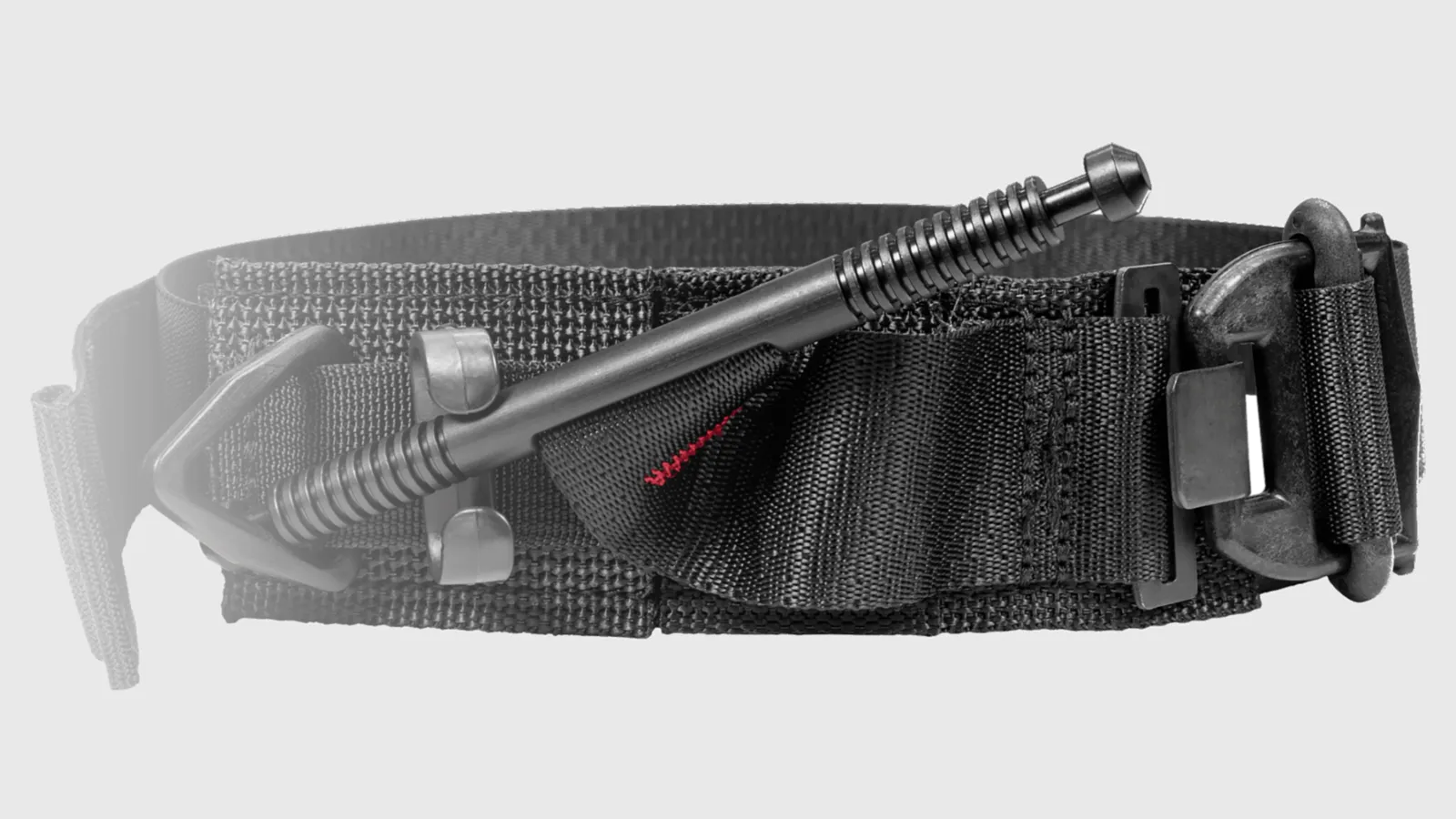
TacMed, a leading medical equipment company focused on increasing survivability, found their existing production and supply chain was unable to keep up with growing demand for their SOF® Tourniquet. Fast Radius rapidly moved to production, enabling TacMed to distribute critical equipment.
TacMed first came to Fast Radius for CNC machining support to scale production of the aluminum handle on their SOF® Tourniquet because their existing manufacturer was unable to keep up. Fast Radius adapted manufacturing workflows to meet TacMed’s urgent requirements, developing specialized inspection plans and accelerating production to meet TacMed’s needs. This way, Fast Radius delivered 100,000 parts to TacMed in just 30 days, meeting their desired timeline while reducing costs.
When Russia attacked Ukraine, the global need surged for TacMed’s tourniquets, which soldiers and emergency responders carry to improve survivability in crisis situations. Shipments of TacMed’s SOF® Tourniquets have gone into the hands of Ukrainian forces, and while the company’s demand naturally skyrocketed from selling to allied partners supporting Ukraine, they also prioritized manufacturing tourniquets to donate to the war effort through Samaritan’s Purse, Afya, and the Ukrainian American Foundation.
In total, TacMed has provided more than 50,000 tourniquets to the Ukrainian war effort as of May 2022, with plans to grow that number into the hundreds of thousands in summer 2022 if needed. These ambitious plans require consistent manufacturing for high part volumes and a steady supply chain.
When the war in Ukraine started, we weren’t going to let supply chain issues get in our way. Having Fast Radius as a communicative, transparent manufacturing partner has helped us move quickly to jumpstart production and deliver lifesaving supplies to those on the front lines who need them most.

Building a reliable supply chain for lifesaving parts
1. Rapid ramp to production
Accelerated production was critical for TacMed, whose existing suppliers could not keep up with necessary production timelines. Fast Radius adjusted manufacturing processes, provided early part and post-processing samples, and delivered the first shipment of 100,000 parts within 30 days.
2. Close supplier relationships
Fast Radius’ global supplier network offers customers access to preferred pricing and fast lead times. Fast Radius’ strong, established supplier relationship allowed for negotiation of a more competitive price for TacMed’s parts.
3. Dedicated supply chain team
With global supply chains in disarray, dedicated logistics support is critical. Fast Radius’ internal supply chain team vetted suppliers, ensured parts were shipped on time, and led the import process to deliver the parts TacMed needed, when they needed them.
4. Agile inspection plans
The CNC machined tourniquet handle requires a mixture of 2-axis lathe and 4-axis milling to manufacture and includes tight tolerances that require precision. Fast Radius customized the first article inspection process, starting with electronic delivery, to ensure quality while fulfilling TacMed’s needs.
Scaled machining on an accelerated timeline
Have a Part in Mind? Let's Talk.
Our engineers will help you choose the right process, from prototype to production.
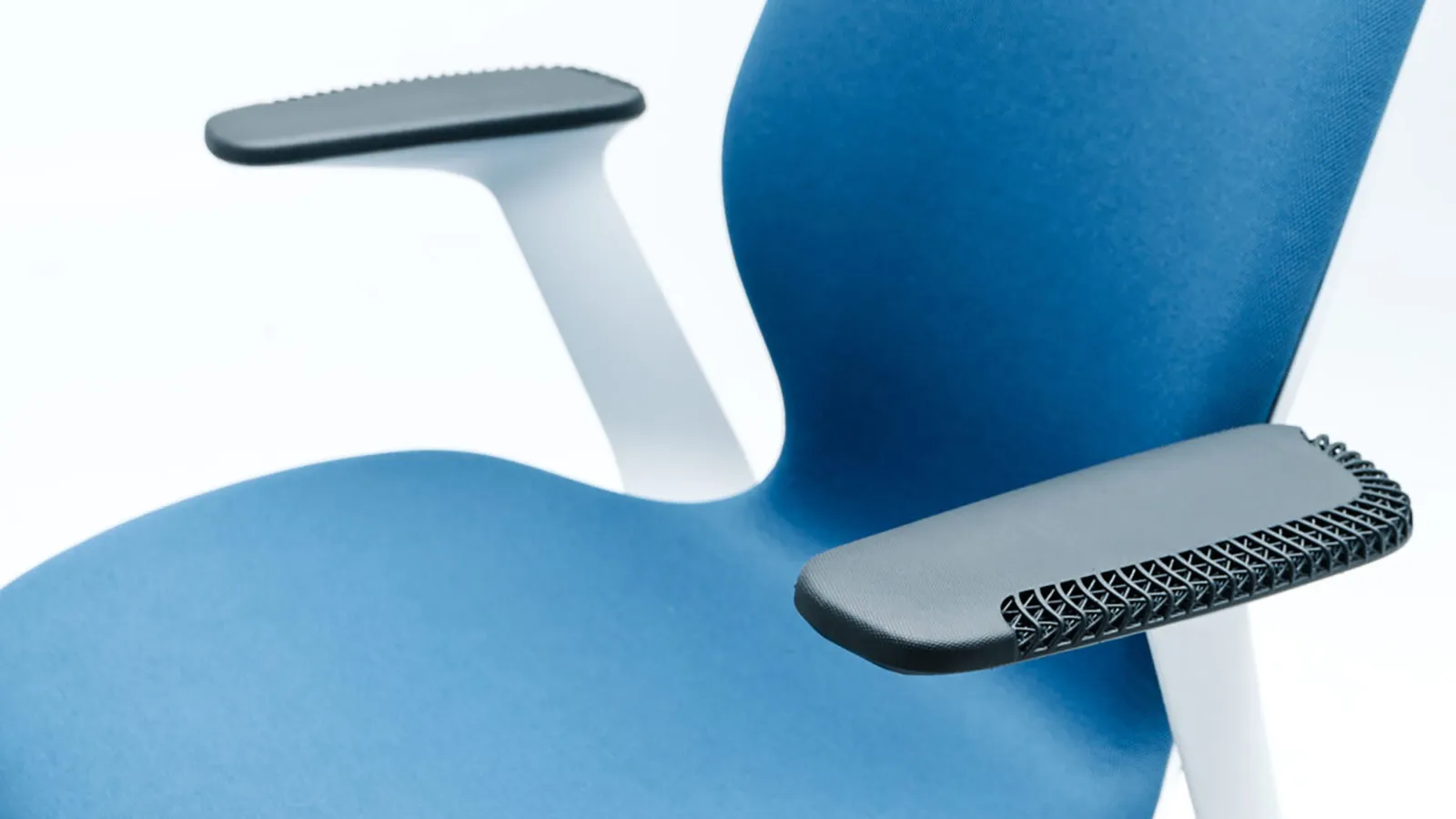
Making disruptive design possible
Working with Fast Radius allowed us to explore what’s now possible – we were able to identify, design, and produce a real end-use product with additive.
Unlocking new designs and mass customization
Steelcase had big plans to reimagine its successful chair design using innovative manufacturing processes.
Steelcase wanted to expand the personalization options on its SILQ chair. To further differentiate the product and improve the development process they turned to additive manufacturing — and found a partner in Fast Radius.
Breakthroughs often start with a simple concept. And in the case of Steelcase’s SILQ chair — which won a prestigious Innovation Award at the 2018 NeoCon — an aspirational sketch started it all.
In 2008, James Ludwig, Vice President of Global Design & Engineering at Steelcase™, sketched a chair concept stripped of all the machinery that had become status quo in high-performance seating. Since SILQ first debuted, Steelcase has continued to experiment with enhancements to the chair’s design, living up to its decades-old reputation of pursuing innovation. Now, consumers can personalize their chair with different fabrics, colors or finishes.
Steelcase joined Fast Radius’s Application Launch Program® (ALP) in January 2018 to find an additive application that went beyond using production-grade 3D printing as a tool for rapid prototyping. They wanted to explore how additive manufacturing could improve the product development process and differentiate their products in the market, while also greatly reducing the time it took to bring their products to life. The team decided to partner with Fast Radius and use Carbon® to design, engineer and print a custom arm cap using digital manufacturing.
To capture innovation awards, earn press and make waves, you have to be first. It’s only natural that Steelcase is adopting additive manufacturing as a means of enhancing design and streamlining production. And the impact transcends the SILQ chair. It transcends even the furniture industry. It means that designs that were unmakeable 10 years ago have been made possible with the advent of scalable, production-grade additive manufacturing.
Ever since SILQ first debuted, we have continued to experiment with enhancements to the chair’s design, living up to our reputation of pursuing innovation. The additive manufacturing processes from Fast Radius and Carbon enabled us to streamline the already-unique aesthetics of the chair with a lattice structure that also condensed three parts into one.

Expedited development and real-time prototyping
1. Streamlined product design and development
A key benefit of additive manufacturing is expedited speed to production. In each design iteration, the prototypes were at nearly production-grade levels. Not only did this save Steelcase time in the design and prototyping phases, but it also allowed them to glean insights about fit, form and functionality in real time. This allowed greater improvements to the design that may not have been realized with traditional prototyping — and for a design-driven company like Steelcase, this was crucial. Steelcase could go through as many redesign cycles as it took to get things right. In this instance, Fast Radius took the initial idea and turned it into 100 design concepts. From those iterations, Fast Radius produced 12 unique designs in just six weeks.
2. Improved aesthetics
Carbon’s Digital Light Synthesis™ (DLS) technology uniquely enabled Steelcase and Fast Radius to experiment with design of lattice structures, textures, multi-durometer foam replacement and other functional elements. In the end, an aesthetic lattice structure and unique texture were incorporated into the design of the arm cap to allow the part to stand out and showcase its additive origins.
3. Part consolidation
Every part of the SILQ chair responds to gestural inputs rather than manual adjustments, reacting intuitively to a person’s body and movements. The arm cap was no exception. SILQ arm caps were traditionally manufactured with three separate parts assembled together. Using additive manufacturing, Fast Radius printed the arm cap as one contiguous unit — no assembly required.
4. Material reduction
Fast Radius also designed the arm cap in four zones that provided different attributes based on how someone’s arm might interact with the cap. Although each zone was designed separately, Carbon’s DLS technology allowed the entire arm cap to be printed as one cohesive part using EPU 41, a material that is both flexible and conforming. And the use of lattices reduced material usage by up to 70% without sacrificing performance.
5. Zero-cost mass customization
Consumer personalization is fundamental to the SILQ idea. For high-value products like this, mass customization can be a key differentiator. More than three-quarters of consumers are willing to pay a premium for customized furniture. If a corporate client wanted to personalize the arm cap by changing the texture, adding a logo or customizing the look of the exposed lattice, it’s simply a design change in the CAD file. And when the part phases out of production — or a client wants to do another run of their custom arm cap — the CAD files can still be printed on demand. No re-tooling, no warehouse costs. Just change, print and go.
A disruptive design and innovation partnership opening the door to transforming an industry
Have a Part in Mind? Let's Talk.
Our engineers will help you choose the right process, from prototype to production.
Making faster factories possible
Colgate needed to improve efficiency on a bottling line where a malfunctioning part was causing stoppages and waste. Fast Radius working closely with Colgate’s engineers designed a solution that relied on two additive technologies, resulting in reduced unplanned downtime and greater production throughput.
Reducing downtime on a busy factory line
In order to keep production running at full capacity, Colgate needed an inventive fix for an ineffective piece of machinery.
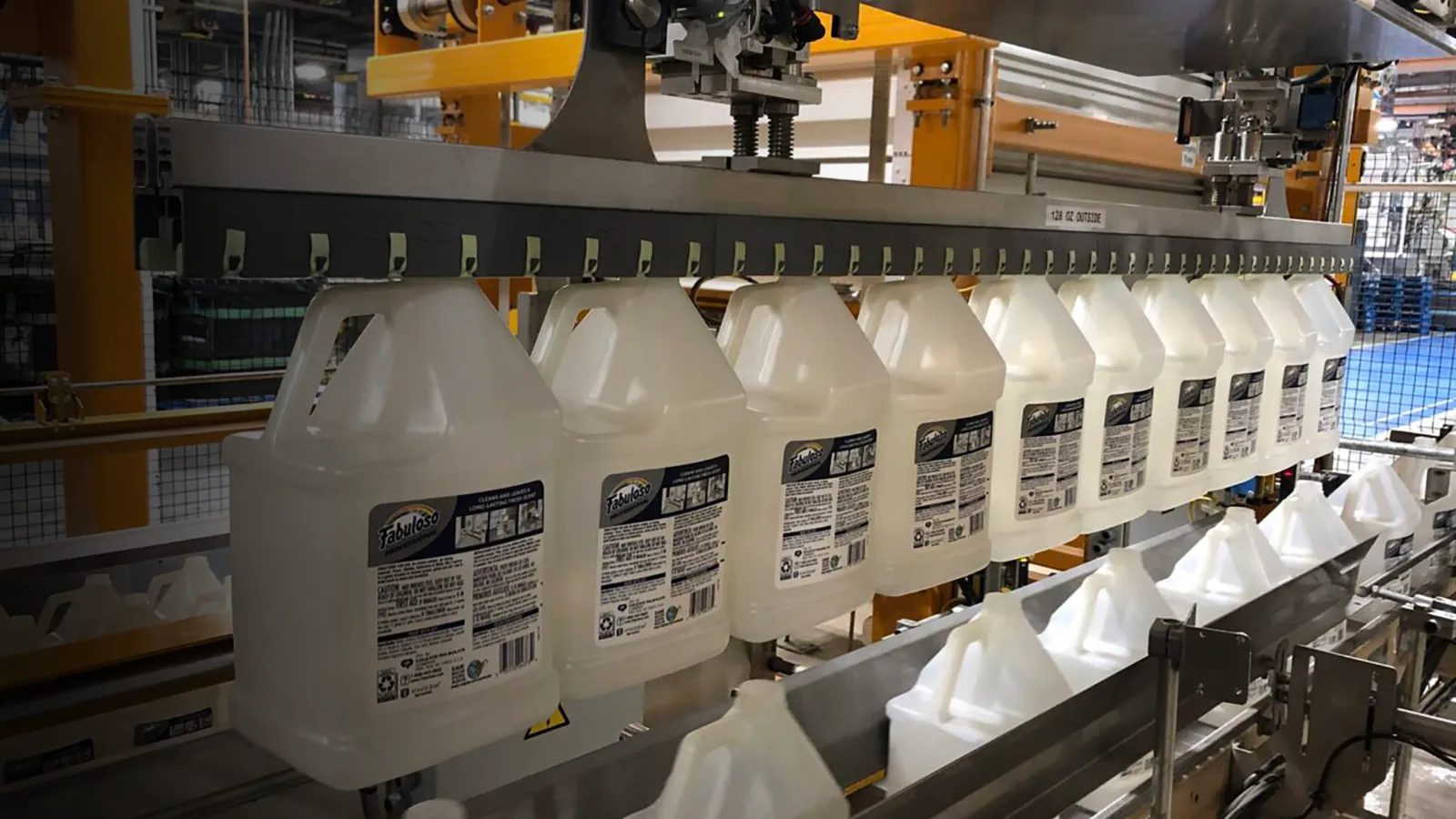
Colgate had a bottle accumulator that was not running efficiently. Unexpected failures occurred with a rigid plastic part that was meant to hook a very small ridge on each bottle, lift the bottles, and move them onto the line. The tool frequently missed the ridge, dropping bottles onto the factory floor.
Without a functional bottle accumulator, bottles would accumulate and back up the line, which led to frequent stops and starts that resulted in costly downtime. To tackle this problem, Colgate came to the Fast Radius design engineering team for help designing and producing better tooling that would work with their existing bottle accumulator. By using additive manufacturing, they were able to get the machine back in service quickly.
Before we did this work with Fast Radius, the utilization of our bottle accumulator was near zero. With the new gripper designs, the machine is now set to run 100% of the time.

Flexible materials and real-world testing
1. Design for additive manufacturing (DfAM)
Fast Radius designed the gripper in two parts, each made with a different additive process. Printed in durable PA 12 using HP MJF technology, the outer portion of the part slides into the metal bottling conveyor and supports the weight of the bottles. The inner portion of the tool is a flexible lattice mesh printed with Carbon’s highly resilient elastomeric polyurethane material, EPU 41,using the Carbon Digital Light Synthesis™ (Carbon DLS™) process. Fast Radius engineers designed a lattice structure that easily conformed to different shapes, meaning it could get a strong grip on bottles of various sizes. While the previous tool needed to be changed out every time Colgate switched between bottle types, the new gripper can be used to pick multiple bottle sizes.
2. High-performance materials
In an industrial setting, it’s crucial to be able to change parts quickly with as few tools as possible for maximum efficiency and minimal downtime. To accomplish this, Fast Radius and Colgate took advantage of the material properties of PA 12 and EPU 41 to design a two-component part that assembles without any fasteners. The EPU 41 inner portion of the bottle gripper seamlessly wraps around and hooks into the strong PA 12 outer portion for a secure assembly. Together the two materials provide the flexibility and strength required to pick up and move bottles without dropping them.
3. Multi-process manufacturing
Fast Radius offers multiple manufacturing technologies under one roof, so they were able to make and assemble Colgate’s parts easily, even though the parts required different processes. Colgate didn’t have to worry about coordinating different suppliers, and they didn’t have to invest in their own additive manufacturing equipment. Beyond access to Fast Radius’ Carbon DLS and HP MJF factories, Colgate was able to work with Fast Radius engineers who are experts in DfAM and identifying the right process for each project.
4. Testing in a production environment
Fast Radius and Colgate went through three design iterations to perfect the bottle gripper. Because additive manufacturing allows you to prototype using the same equipment and materials that will be used in the final parts, Colgate was able to test each prototype directly on the bottling line in real working conditions. These tests provided invaluable insight into the performance of the part and made it easy to identify the adjustments needed. Once Colgate accepted the design, the parts were produced immediately and put to work on the line.
A small part that made a big difference
Have a Part in Mind? Let's Talk.
Our engineers will help you choose the right process, from prototype to production.
Making autonomous inventory possible
Simbe Robotics needed a low-cost option to manufacture small batches of critical parts for their Tally 3.0 autonomous retail intelligence robot. Rigorous quality standards and a consultative approach made Fast Radius the right manufacturing partner to bring Tally 3.0 robots into store aisles around the world.
Industrial-grade parts for an agile startup
Simbe Robotics, an advanced retail intelligence company, was ready to launch their Tally 3.0 robots into stores but wasn’t ready for the expense of injection molding tooling. Fast Radius helped them find a cost-effective alternative that would allow them to scale.
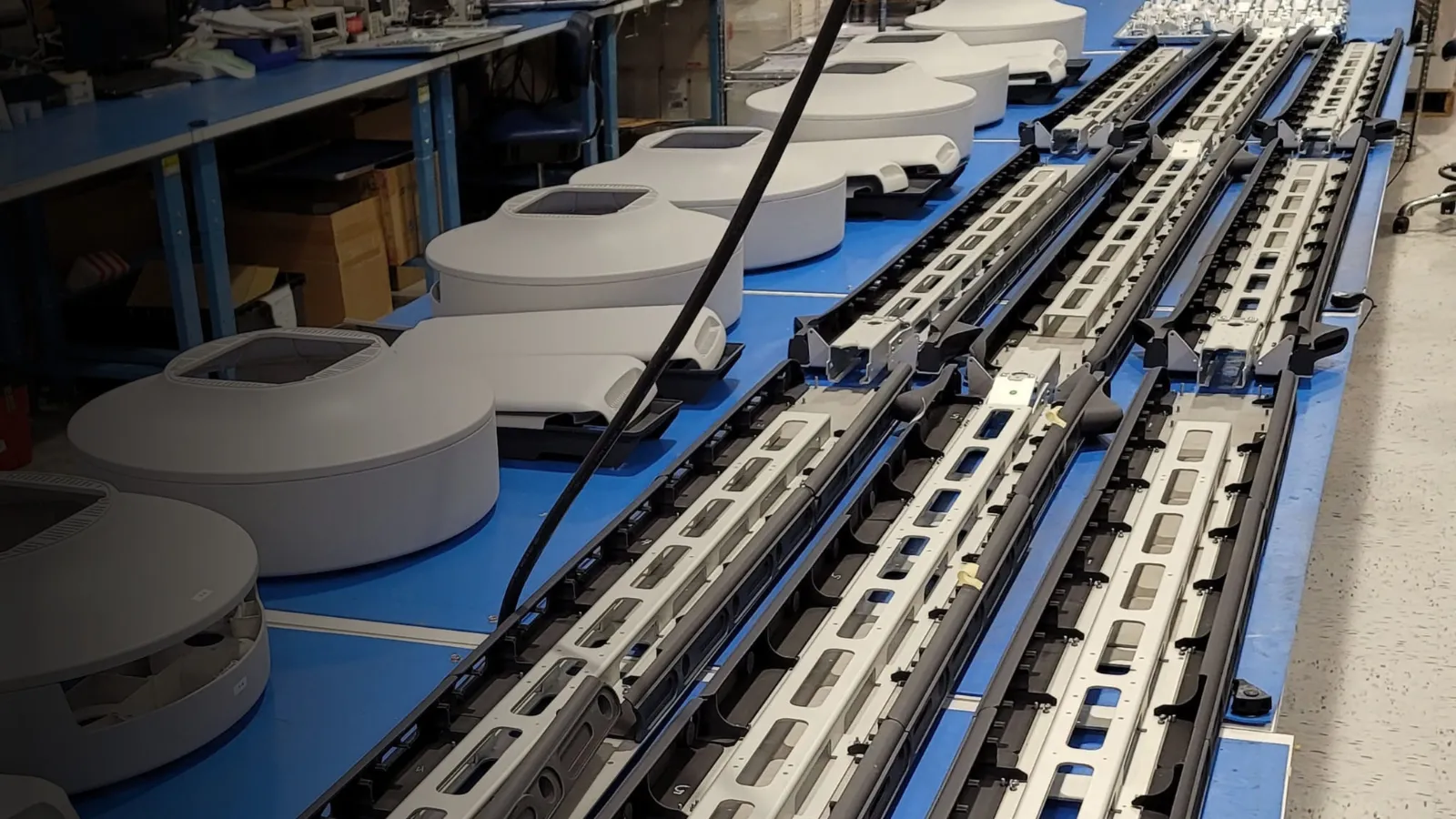
Simbe deploys Tally 3.0 robots to autonomously scan retail store aisles to take inventory and identify out-of-stock products. By connecting directly with the store’s inventory management system to identify products that could be restocked, Tally robots create operational efficiencies and improve customer experience. The robots have to be aesthetically pleasing and durable enough to weather their surroundings, as they interact with customers, shopping carts, pallets, and more.
Initial prototypes of the robots were made with CNC machining, but as Simbe looked to scale, they came to Fast Radius to find a more cost-efficient manufacturing process for their plastic parts. Tooling for injection molding parts was too costly for their small batch sizes and would have made further iterations and improvements expensive. Fast Radius helped Simbe choose urethane casting for the majority of parts, decreasing cost-per-part for small volumes and allowing them to retain the flexibility to make changes easily.
Fast Radius’ expert team has developed repeatable processes to ensure Tally 3.0 cast urethane parts meet rigorous quality standards. Plus, as an experienced multi-process manufacturer, Fast Radius has been able to help Simbe navigate and adapt part designs as needed. Some parts have required different manufacturing processes, like CNC machining for parts too small for urethane casting, and Fast Radius has worked consultatively to determine the right process for each part and to ensure parts match aesthetically through a mixture of adhesive, silk screen printing, and painting in post-processing.
As a growing start-up, we need to be able to manufacture our products with the quality and economics of high-volume production while staying agile and building in small batches. With Fast Radius, we’ve dialed in the low-cost, high-quality manufacturing we need to make that happen.

Reliable results from flexible low-volume manufacturing
1. Consultative material selection
Fast Radius’ engineers initially matched a polyurethane to the material properties Simbe needed for manufacturing. After field testing robots, Simbe wanted to evaluate other materials that could be more resistant to wear and tear. Fast Radius provided a full analysis of current materials and alternative options to enable Simbe to make the best decision based on material cost, material performance, and how alternative materials would change the production process.
2. An agile partnership
As Simbe’s designs have evolved and supply chain shortages have impacted procurement for robotics equipment, they’ve needed an agile manufacturing partner to help them adapt. Specifically, when supply chain issues meant Simbe had to switch the camera used in Tally 3.0, Fast Radius helped them modify designs around the new camera, manufacturing parts in low volumes to adapt quickly without waste.
3. Consistent, reliable quality
The most important quality factors for Tally 3.0 are dimensional tolerancing, appearance, and durability. While urethane casting can’t typically achieve the tight tolerances of injection molding, Fast Radius has refined materials, designs, and processes to ensure that Simbe’s cast urethane parts meet specifications. With rigorous attention to detail and fit tests for parts, assembly of Tally 3.0 robots always goes smoothly.
4. Budget-friendly manufacturing
BOM cost is a critical factor for Simbe Robotics. Over the course of their partnership, Fast Radius has helped Simbe improve quality while reducing costs by evaluating design, material options, batch size, and more. Fast Radius and Simbe have worked together to determine favorable payment terms and manufacture low-volumes as needed to manage expenses while scaling production of Tally 3.0.
Quality and savings through small-batch manufacturing
Have a Part in Mind? Let's Talk.
Our engineers will help you choose the right process, from prototype to production.
Making point-of-care diagnostics possible
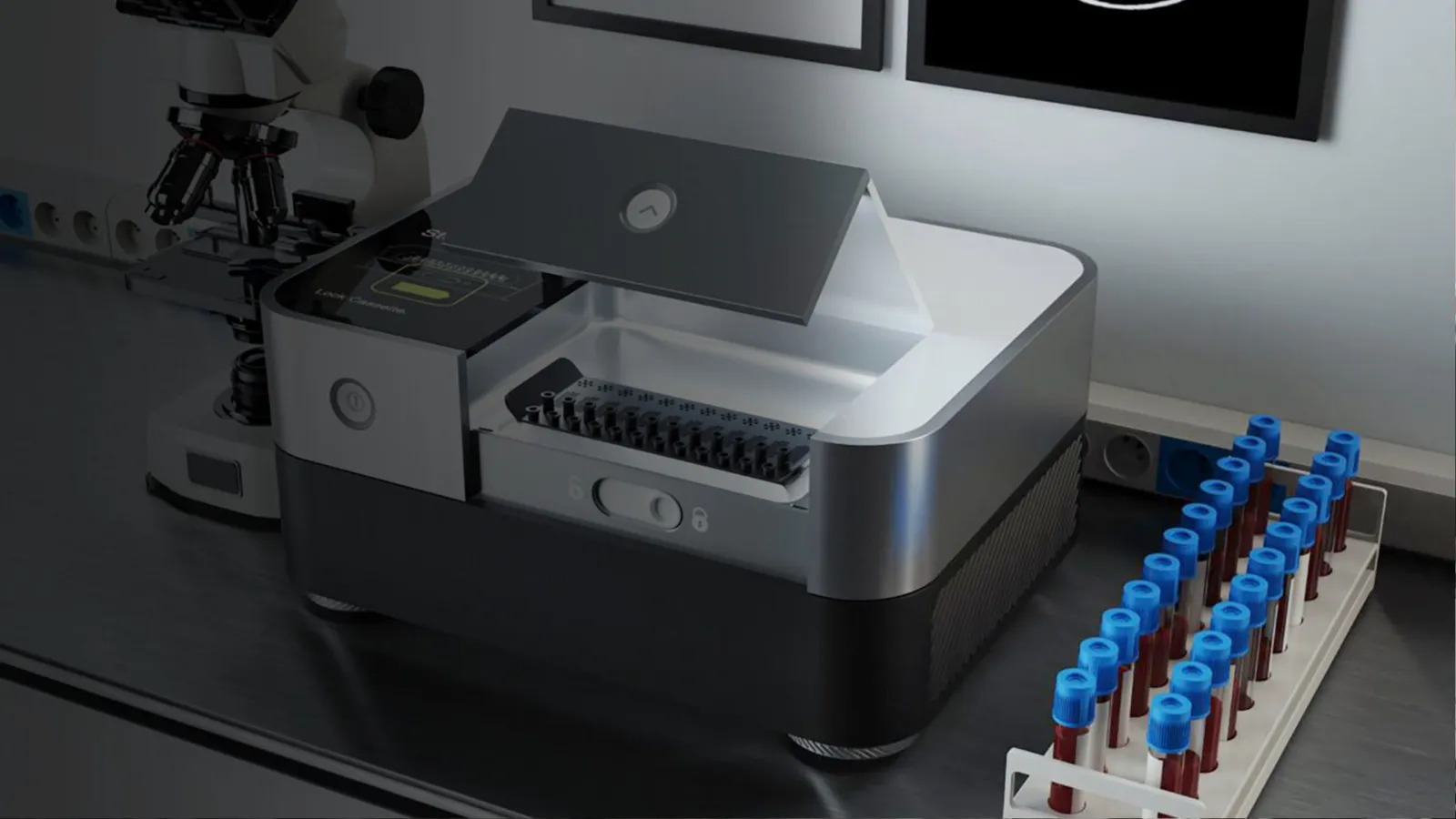
To meet the demand for point-of-care (POC) COVID-19 testing, a team from Fast Radius and the University of Illinois used additive manufacturing to create a validated, design-patented prototype of a microfluidic diagnostic in a matter of weeks, saving years of development time compared to traditionally-made biomedical diagnostics.
Compressing a years-long product development cycle into weeks
COVID-19 tests are critical to the reopening of businesses and public spaces across the United States, but hospitals and lab facilities don’t have the capacity to handle the millions of tests needed every day.
To fill the gap, companies are scrambling to produce fast, accurate, point-of-care (POC) diagnostics that don’t need to be processed by skilled technicians.
Microfluidic “lab on a chip” technology seems like a good candidate for portable, easy to use POC COVID-19 testing, but these diagnostics usually take many years to develop, and the microfluidic cartridges are prohibitively difficult and costly to manufacture.
Two years before the pandemic, researchers at Fast Radius and the University of Illinois realized that making microfluidic cartridges with additive manufacturing could dramatically accelerate diagnostics R&D and also save time and money in production.
Once the coronavirus pandemic hit, the team quickly shifted focus to COVID-19 testing, producing a functional lab test in just five weeks.
Additive manufacturing allowed us to make significant progress with microfluidic diagnostics very quickly to address the need for POC testing. Our microfluidic cartridge is ready for additive production after only five weeks of development.

Fast, flexible product development
1. Sophisticated technology and materials
Fast Radius has the advanced technology and materials expertise needed to make sensitive medical diagnostics. We were able to carefully control the manufacturing process to achieve the high resolution and tolerances required for microfluidic devices. Further, we made the devices with a polyurethane that has the chemical stability necessary to conduct diagnostic chemistry with precision.
2. Design flexibility and improved functionality
We designed the microfluidic cartridge so that the test sample and other chemicals can be loaded onto the device more easily than other cartridges on the market. Injection molding only allows for mixing channels to sit on the surface of the cartridge, but additive manufacturing enabled us to add an internal serpentine channel that allows fluid to move from the front to the back of the chip, resulting in better mixing performance than a 2D serpentine chip at less than half the size.
3. Rapid product development
Microfluidic diagnostics devices can take years to get to market because manufacturing the tiny cartridges is a painstaking process. The patented, additively manufactured microfluidics device from Fast Radius was designed and validated in only five weeks. Engineers worked to design, print, and test around 10 iterations of the diagnostic in four 24-hour cycles, with no need to design and test costly tooling.
4. Production-ready cost savings
Unlike a traditionally made microfluidic cartridge, the test device we manufactured can go into production with no further changes to its materials or design. Since it doesn’t require the steep upfront expenditure on micro injection molding tooling, making a diagnostic with the process we developed could save companies millions of dollars over injection molding.
Quicker, more efficient point of care diagnostics made possible with additive manufacturing
Have a Part in Mind? Let's Talk.
Our engineers will help you choose the right process, from prototype to production.
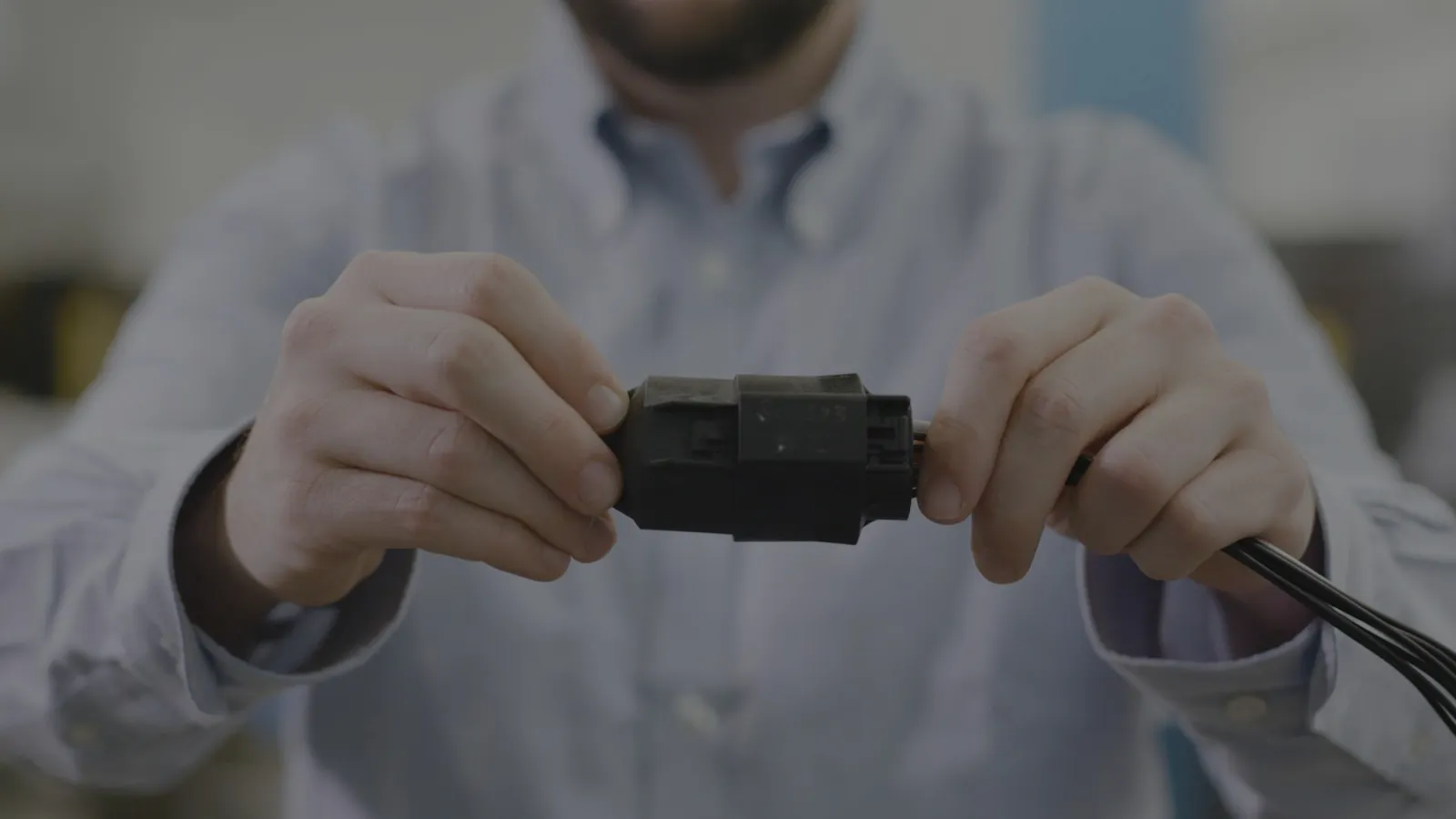
Making reliable automotive supply possible
Aptiv wanted an innovative supply chain solution for low-volume production for Ford, a leading American automaker. Fast Radius’s additive manufacturing expertise and Carbon®’s industrial-grade 3D printing technology helped Aptiv transition to an entirely new production method while still meeting rigorous quality standards.
Ensuring quality additive production for automotive suppliers
Aptiv is a leading technology provider, delivering safer, greener, more connected solutions that enable the future of mobility. They were responsible for the design and production of a trailer-tow connector cap for Ford Super Duty trucks to protect the electrical connectors from harsh environmental exposure.
To address this challenge, Aptiv wanted to push the boundaries of what’s possible in lower-volume, critical part production for a Ford trailer tow connector cap application and deliver a quality product that met Ford’s expectations for the best possible cost and speedy, flexible production.
The trailer-tow connector cap needed to meet the automotive industry’s standard engineering and quality requirements — specifically, USCAR-2 validation and ISO 9000 certification — to guarantee the protection of the electrical connector against external elements.
With these considerations in mind, Aptiv worked closely with Carbon, a leader in digital manufacturing technology and additive materials development, and Fast Radius, a manufacturing partner with expertise in repeatable, reliable additive production to make this possible.
Their combined efforts led to serial production of the trailer-tow connector cap for the Ford Super Duty trucks using Digital Light Synthesis™ (DLS) technology. Additionally, Aptiv’s additive manufacturing strategy provided a tool-free approach, speeding time-to-market by 20 weeks compared to traditional molding solutions.
Fast Radius and Carbon enabled us to additively manufacture Ford’s trailer-tow connector cap, greatly improving our time to market over traditional injection molding and paving the way for future innovations in our lower-volume part production.

Trusted materials, leading technology, and additive expertise
1. Trusted materials for automotive applications
This project was Aptiv’s first automotive production application to leverage additive polymer technology. The Carbon team worked closely with Aptiv to choose the right material to meet the product’s USCAR and level 3 sealing requirements. After careful evaluation, Carbon EPX 82 was chosen as the material of best-fit to produce the trailer-tow connector cap.
2. Industrial-grade digital manufacturing technology
Carbon DLS technology met Aptiv’s expectations for speedy, reliable, and scalable production. This made Carbon DLS the right method for the project based on the estimated production volume and scale. Once the technology and materials were locked, Aptiv turned its focus to the connector cap’s design, collaborating with Fast Radius and Carbon engineers to optimize for manufacturing.
3. Production optimization and expertise
Printing thousands of parts repeatedly and reliably at scale with additive manufacturing can be a challenge. Fast Radius infused their intricate knowledge of Carbon’s technology to ensure production reliability. They drew on this experience and the insights gained from their proprietary digital thread software to design a build file that optimally positioned the parts on the build plate to account for subtle variances in temperature and light variation.
4. Quality management system for additive production
Aptiv conducted an extensive on-site audit process of Fast Radius. This resulted in Fast Radius becoming the first serial-approved external additive manufacturing supplier for Aptiv in the automotive industry. Fast Radius relied on its additive manufacturing expertise and software-backed digital thread capabilities to conduct and pass a Production Part Approval Process (PPAP). For production with Carbon DLS technology, Fast Radius instituted part-specific standard operating procedures across each step of the process and developed a rigorous control plan to ensure ongoing quality.
The collaboration of Carbon and Fast Radius made Aptiv’s innovative solution for Ford possible.
Have a Part in Mind? Let's Talk.
Our engineers will help you choose the right process, from prototype to production.
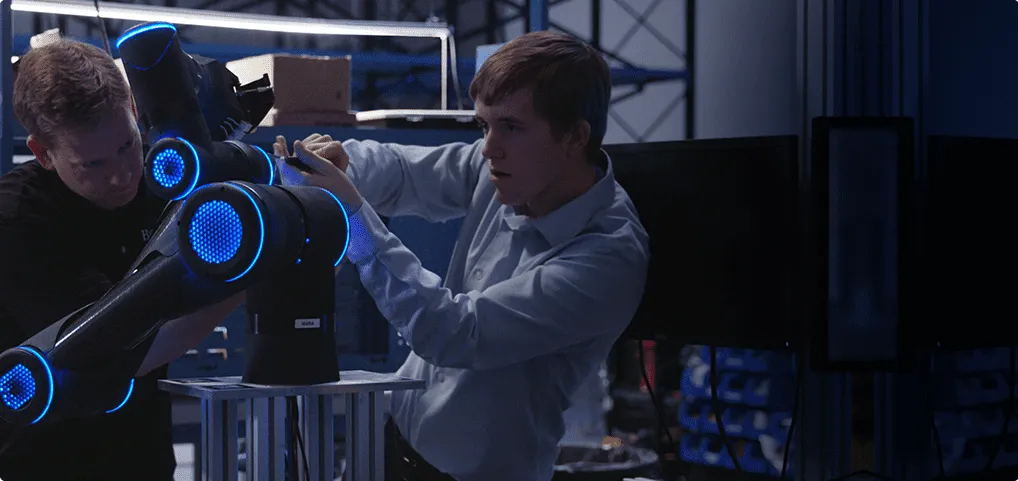
Making customized logistics possible
Bastian Solutions envisioned a customizable, next-generation materials handling robot made with additive manufacturing. Fast Radius helped them save $100,000 in production costs by transitioning nearly half the bill of materials to additive parts.
Using additive manufacturing to enable a customizable solution
Bastian Solutions needed a partner like Fast Radius to make customizable materials handling systems possible.
Bastian Solutions, a leading materials handling company owned by Toyota Advanced Logistics, created a new disruptive materials handler that required an equally disruptive production method — additive manufacturing. Fast Radius made their vision a reality, serving as a close manufacturing innovation partner through the development and production lifecycle.
The Bastian Solutions Shuttle System is an advanced, customizable electric robot arm-and-shuttle combo that autonomously picks and moves a range of differently sized and weighted products. Bastian Solutions created the system in order to solve a complex problem: Retailers need innovative materials handling technology that can navigate tight warehouse spaces, filling orders quickly to meet rising shopper expectations for on-demand delivery. These systems must have picking capabilities that can handle a wide variety of product shapes, sizes and densities.
However, it’s hardly “one-size-fits-all” when it comes to purchasing a materials handling robot. And customization, with all of its retooling, can be expensive. To make this truly innovative advanced materials handling robot and its customizations possible, Bastian Solutions needed the help of Fast Radius and its access to technology partners HP 3D Printing and Carbon® .
Rapid iterations and additive production
Digital manufacturing with Fast Radius completely eliminates the need for tooling. By using industrial-grade 3D printing for critical parts, Bastian Solutions can quickly scale the robot arm for its customers’ requirements. In fact, nearly 50% of the bill of materials (BOM) are made using additive manufacturing in Fast Radius’ Chicago factory. Once the adjusted design is submitted to Fast Radius’s Virtual Warehouse™, Bastian Solutions receives the additive parts in days instead of weeks or months. This helps customers get their new materials handling systems up and running with minimal interruption to their business.
In the past, Bastian Solutions’ materials handling robots were typically made with metal. But HP Multi Jet Fusion allowed the company to swap out metal components for ones made with HP 3D High Reusability (HR) PA 12 Glass Beads (a proprietary HP nylon material), making the parts lighter and more efficient to produce. A lighter robot arm means that less energy is required to shuttle it around a warehouse or retail floor. Since the lighter robot conducts less heat while in motion, it requires less energy to cool.
The gripper on a materials handling robot must be able to securely grab a wide variety of objects in a retailer’s inventory. Fast Radius’s broad additive technology capabilities made it possible for Bastian Solutions to develop a proprietary “Shark Fin” adaptive gripper using Carbon® Digital Light Synthesis™ and EPU 40 material. Carbon’s material enabled the development of a unique set of fingers that are strong but pliable — capable of picking up anything from laundry detergent to lip gloss.
Fast Radius made many of the plating and parts built for support or protection using Carbon DLS. With access to Carbon DLS, Bastian Solutions was able to tap into Carbon’s extensive material library, including EPU 40 and RPU 70, to experiment with different textures, durometers and lattice designs to find an exact fit for their product.
Making almost half of their BOM with additive manufacturing not only improved the final product, but it also saved Bastian Solutions considerable time and money. By using Fast Radius’s manufacturing innovation platform and team of application engineers, Bastian Solutions was able to design, produce and test hundreds of prototypes in fewer than 20 months. The process cut two years off the project development cycle and saved $100,000 in production costs.
By partnering with Fast Radius, the Bastian solutions team developed an innovative, customizable materials handling robot that they can offer at a competitive price
We envisioned that additively manufacturing specific parts would make the Bastian Solutions Shuttle System the most efficient and agile robotic picker available on the market. The additive manufacturing process will enable us to customize each robot picker to fit a customer’s particular warehouse environment.

Gallery
More case studies
Have a Part in Mind? Let's Talk.
Our engineers will help you choose the right process, from prototype to production.
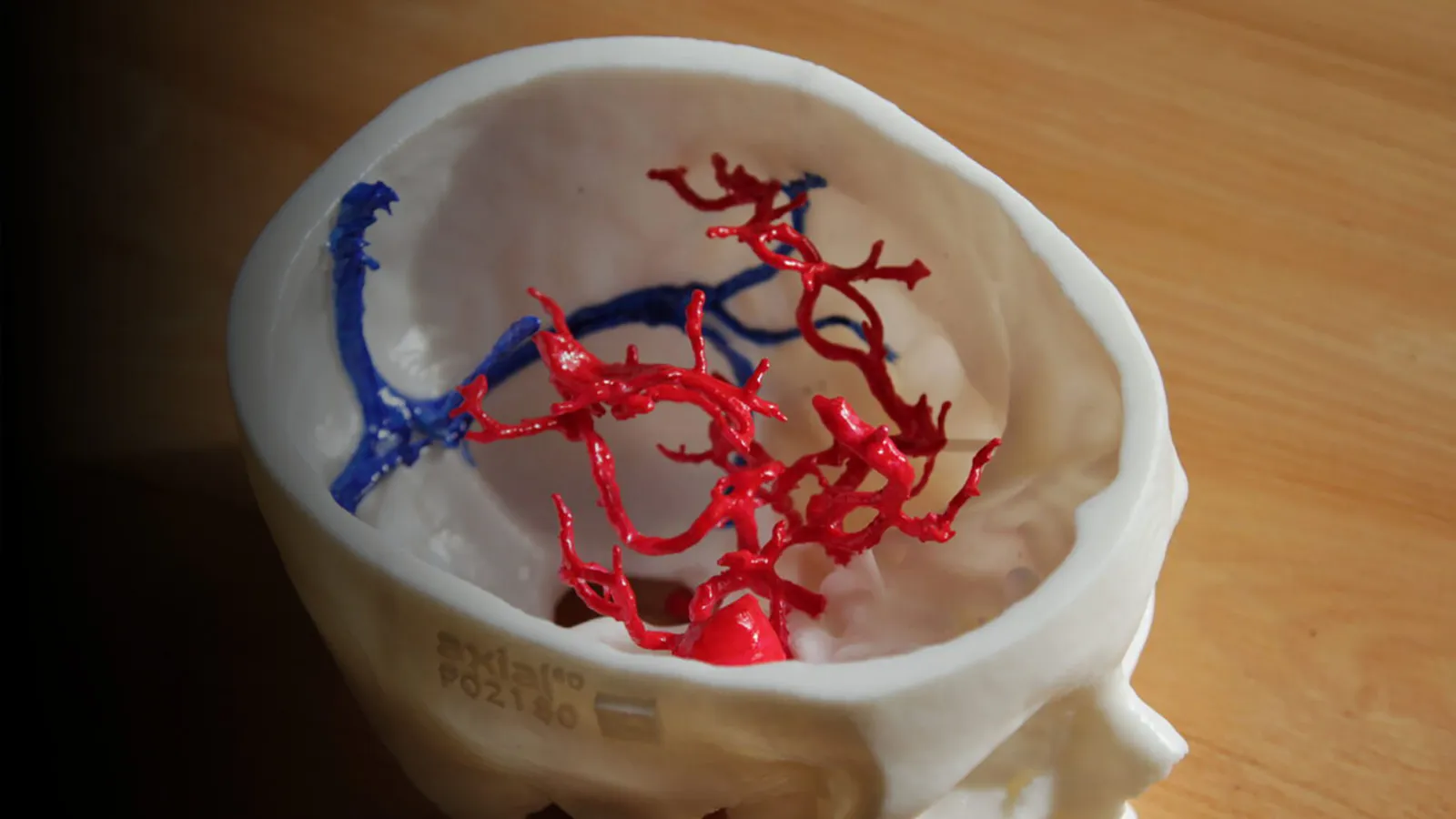
Making more precise medical treatment possible
Axial3D needed to find a partner to produce its surgical models, at scale, with the speed required by surgeons. Fast Radius made repeatable, precise production possible with additive manufacturing to deliver models within just 72 hours.
Transforming how surgeons prepare for complex operations
When Axial3D wanted to expand into North America, they needed a partner who could produce their models with the same clinical specifications, at high volumes, and in line with the speed required by today’s medical community.
Axial3D is a medical technology firm based in Northern Ireland working to transform surgical planning through the use of patient-specific 3D anatomical models. Surgeons and medical professionals send patient files — like CT scans and MRIs — to Axial3D, who use their cloud-hosted software, driven by state-of-the-art algorithms, to convert the scanned images into a ready-for-print file in under one hour.
The 3D file is printed and delivered to the surgeons, who then use the model to prepare cardiovascular, orthopaedic, trauma, neurological, and other invasive surgeries. This approach to surgical planning leads to shorter pre-operative cycles, more efficient surgeries, and faster recovery times for patients.
Axial3D identified Fast Radius as the perfect innovation partner because of their technology-agnostic approach to manufacturing and ability to quickly reach customers across the United States.
The partnership between Fast Radius and Axial3D comes at a critical time for healthcare institutions. We are now able to support surgeons and hospitals in the US who are desperately trying to minimize the impact of COVID-19 on their business as they endeavor to rapidly address the elective surgery backlog.

Faster, more precise surgical planning
1. Precision accuracy
The models Axial3D makes need to meet strict requirements; any breaks, crevices, cavities, and other minute details must be accurate to the micro-millimeter, providing doctors with otherwise unavailable patient insights. Rather than relying on 2D imaging to work out the spatial distance between key areas of anatomy, surgeons find it faster and more reliable to request a 3D model created from their patient scans. Fast Radius’s array of printer technologies meets Axial3D’s ultimate requirements, ensuring hyper-accuracy and a full spectrum of color options to bring unprecedented detail to surgical planning.
2. The right technology
Extensive additive manufacturing capabilities — from Carbon Digital Light Synthesis (DLS) to HP MultiJet Fusion (MJF) and Formlabs SLA — meant Axial3D could come to Fast Radius to find the best solution for its customers’ wide spectrum of needs. When supplying models across a number of healthcare disciplines, it’s not just accuracy that matters; form factor, material, and finishing options are critical to a successful model. Fast Radius has the ability to print the pliable hearts preferred by cardiovascular surgeons, colorful knees used by orthopedic surgeons, and translucent kidneys critical to preoperative renal surgery planning.
3. Powerful insights
Fifty percent of surgeons who use Axial3D’s models claim to have changed their plans for surgery as a result. Where 2D scans fail to catch subtleties like hidden crevices and small growths, Axial3D’s models printed by Fast Radius bring them to life, empowering surgeons with greater confidence when planning complex surgeries. In the case of one patient — a newborn baby with a double outlet right ventricle (DORV) and ventricular septal defect (VSD) — the surgeon found it almost impossible to identify the scale of the problem using 2D images alone; they couldn’t capture the angles and precise location of the VSD. But with one of Axial3D’s models on his desk two days later, he identified a second VSD and defined a plan to correct the two VSDs with one surgery, removing the need for a secondary procedure entirely.
4. Flexible fulfillment
Fast Radius can print and fulfill model orders in just 72 hours, enabling the speed required for pre-operative planning. Surgeons send their patient data to Axial3D, who then populate the print file and send directly to Fast Radius for production. Files are printed on-demand at Fast Radius’s factory in Chicago, and shipped in under three days to surgeons through a fulfillment partnership with UPS. Together, Fast Radius and Axial3D will print anatomical models to support the planning for hundreds of complex surgeries each month.
Fast Radius and Axial3D are making the surgical decision-making process faster and more precise.
Have a Part in Mind? Let's Talk.
Our engineers will help you choose the right process, from prototype to production.
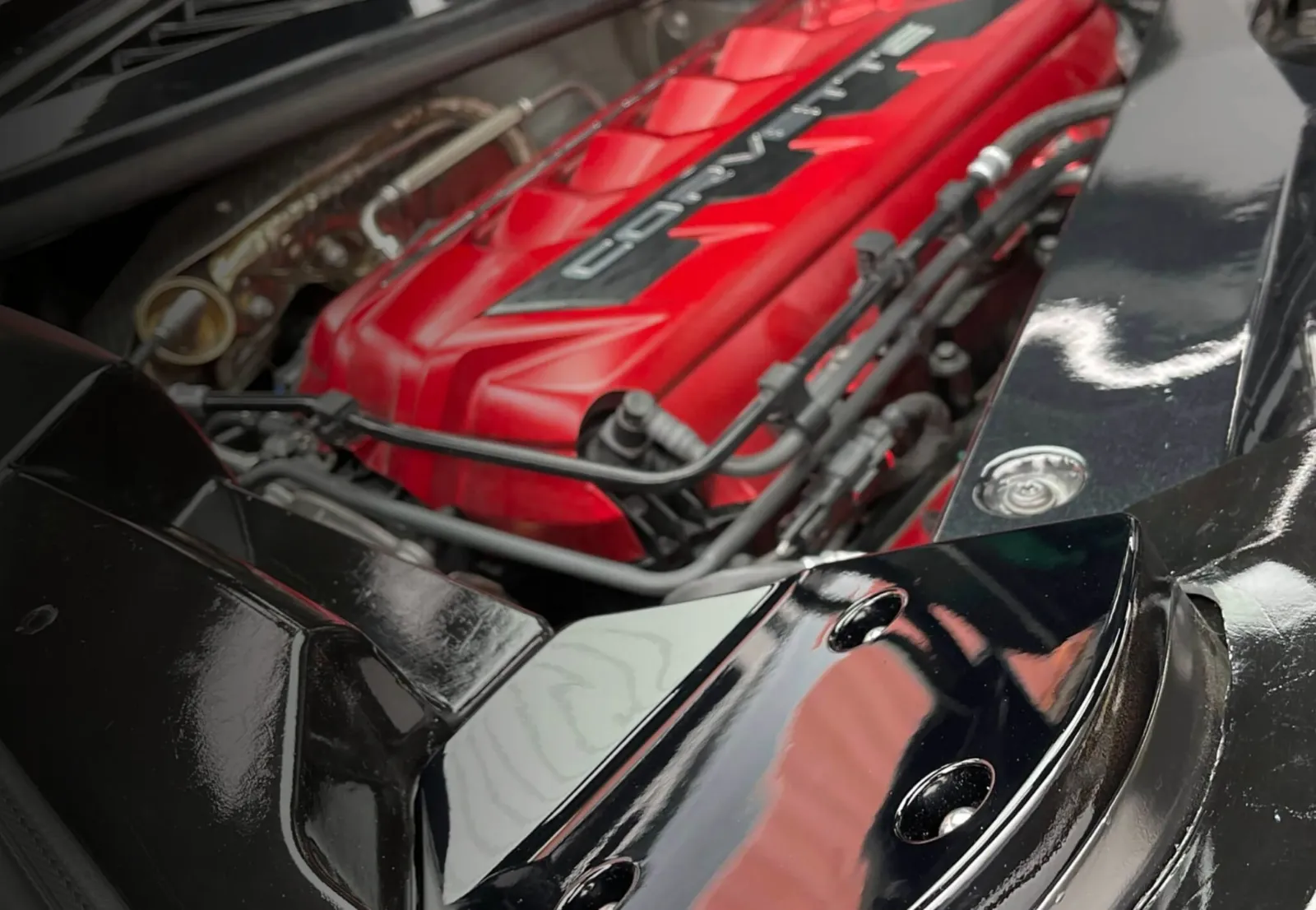
Making engine envy possible
Evans Motorsport Performance (EMP) designed a specialty aftermarket part for the new Chevrolet Corvette C8. Demand for the part was high, but the acomplex design proved difficult and costly to manufacture. Fast Radius found EMP a solution that made low-volume production with automotive-quality materials feasible.
Giving Corvette C8 owners confidence to pop the engine bonnet
EMP had a workable design and plenty of demand for an after-market strut tower cover for the new Corvette C8, but they struggled to find a way to make it reliably within their budget.
Evans Motorsport Performance builds custom performance parts for S550 Mustangs and C8 Corvettes. The new Corvette C8 presented a new challenge for them. Corvette owners understandably want to show off their engines, but the C8 has a rusted bolt on top of the strut tower cover that detracts from the appearance of the engine. A customer came to EMP asking for a cover for the bolt, and EMP recognized an opportunity to solve a problem for C8 owners.
The strut tower is an unattractive, complex piece to cover, but EMP deftly created a design after 3D scanning the area. Then they made a few prototypes using Fused Deposition Modeling (FDM) that impressed their original customer. EMP planned to machine the cover out of aluminum, but the part’s complexity made it difficult — if not impossible — to make. Even if they were able to machine the part, it was prohibitively expensive. Plus, EMP wanted to be able to offer custom colors and a modification for Mag-Ride Corvettes (which involved drilling a hole), both of which would be time-consuming and costly to do with aluminum. Next, they tried to make end-use parts with their prototyping printer but soon realized they couldn’t get the performance they needed.
That’s when EMP turned to Fast Radius. After evaluating several 3D printing processes and materials with Fast Radius, EMP settled on the Carbon Digital Light Synthesis (DLS)™ process and EPX 82. Fast Radius printed a single prototype for EMP that fit over the strut tower perfectly, and the two companies moved into production immediately. The part has proven extremely popular with Corvette C8 owners, and EMP is now selling the part through suppliers and distributors in the US and around the world. They plan to continue collaboration with Fast Radius on even more parts in their catalog.
We were amazed at the customer service, speed, and price we got with Fast Radius — not to mention the complexity we could achieve with the Carbon DLSTM process. Without Fast Radius we wouldn’t have been able to make this part.

Reliable production and high-performance materials
1. Economical low-volume production
EMP originally planned to machine the part from aluminum, but because of its complex design, the part would be prohibitively expensive, coming in at more than $4800 a set. Injection molding would have a cheaper cost per part, but only if they made enough to offset the cost of the molds, which could cost tens of thousands of dollars. Together, EMP and Fast Radius spent about a month and a half evaluating different additive processes before settling on the Carbon DLS process. DLS allowed EMP to create high-quality parts well within their budget, even for a small initial production run.
2. Reliable manufacturing process
The part EMP designed is quite complex. When they looked into machining it, there was a high risk that many of the parts would fail. Because the entire Carbon DLS process is completely digital, it produces identical, reliable parts every time. With DLS, EMP could rest assured Fast Radius would make all their parts consistently to spec.
3. High-performance materials
While the bolt cover is a cosmetic part that doesn’t affect the car’s performance, it needs to withstand temperatures approaching 200˚ F. After ruling out CNC and injection molding as viable manufacturing options, EMP tried to produce the parts with their prototype 3D printer. The available materials (PLA and ABS) could not withstand harsh engine conditions. After looking into several materials, Fast Radius suggested EPX 82, a rigid material popular in the auto industry for its heat and chemical resistance. EPX 82 provided the performance EMP required and was much easier to finish and paint than aluminum.
4. Rapid on-demand manufacturing
Had EMP opted to machine the parts, the initial order would have taken months to finish. The Carbon DLS process is much faster — Fast Radius printed and shipped EMP’s order in a matter of days. The part is new to the market, so EMP is still feeling out demand. With the Fast Radius Virtual Warehouse, EMP can store the part design in the cloud and order parts as they need them without worrying about running out of stock or holding excess inventory.
A part that makes a high-performance engine look even better
Have a Part in Mind? Let's Talk.
Our engineers will help you choose the right process, from prototype to production.
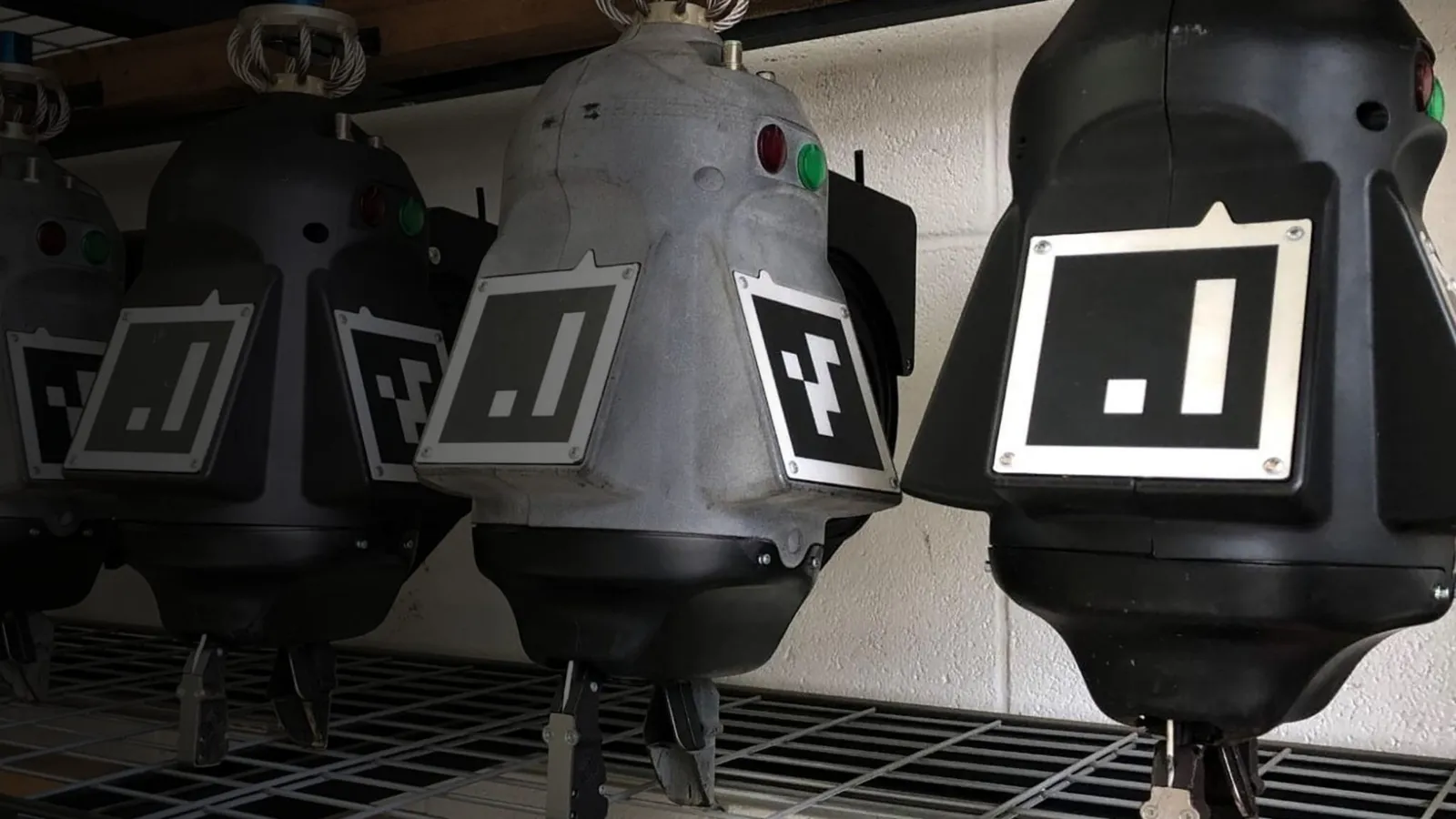
Making smarter construction possible
Advanced Construction Robotics (ACR) needed a reliable manufacturer for critical parts for their new rebar-tying robot, TyBot. With Fast Radius, they found a multi-process manufacturing partner to quickly scale their product and increase productivity and safety on job sites.
Building a scalable supply chain for a growing robotics startup
ACR came to Fast Radius to 3D print a small number of parts and found an ongoing multi-process manufacturing partner to streamline production for the majority of TyBot’s critical components.
When ACR came to Fast Radius, they were seeking a contract manufacturer to produce HP Multi Jet Fusion (MJF) parts for their TyBot prototypes. Impressed by Fast Radius’ quality standards and looking to scale quickly, ACR brought Fast Radius on to produce larger portions of their bill of materials across multiple manufacturing processes. Fast Radius provides MJF 3D printing, urethane casting, and CNC machining for ACR, making the housing and majority of the interior parts for the key module on their rebar-tying robot.
The robot’s parts interact directly with rebar, so they need to be able to withstand significant wear-and-tear in real-world use. Fast Radius was able to pivot with ACR, supporting production as they tried different materials and ultimately selected PA12 for TyBot’s outer housing and cast urethane for internal parts.
As a startup, ACR has moved through a number of iterations and field-testing cycles with TyBot. As TyBot has evolved, ACR has used the Fast Radius Virtual Warehouse™ to order parts on-demand in small batch sizes, mitigating waste and costs from product obsolescence and staying within production timelines for new and spare parts to maintain a universal fleet of robots.
Partnering with Fast Radius has helped ACR quickly scale production of TyBot while continuing to improve the robot’s performance without the costly time, resource, and manpower impact of multi-sourcing parts. By maintaining a lean and agile manufacturing partnership, Fast Radius has enabled ACR to effectively plan for the future.
The ability to single-source parts through Fast Radius has allowed us to turn up the knob on production because we can always count on getting high-quality parts. Having a partner that we can fully rely on has helped us grow our business without worrying about supply chain disruptions or delays.

A single trusted source for expanding multi-process needs
1. Multi-process expertise
ACR needed to simplify ordering, communication, and their supply chain. With CNC machining, HP MJF, and urethane casting capabilities, Fast Radius was the ideal partner. Having a single reliable source for the majority of their components made it easy for ACR to seamlessly streamline their TyBot part supply.
2. Steady supply chains
ACR first turned to Fast Radius for CNC machining after an overseas supplier delivered poorly manufactured parts that, after import fees, were more expensive than parts from Fast Radius. Since then, ACR has used Fast Radius for their ongoing CNC needs. In addition, as other manufacturers’ production capabilities have suffered from global supply chain issues, Fast Radius has been the only supplier ACR has been able to rely on for consistent production.
3. Low-volume production
With initial low-volume needs, ongoing design iterations, and new retrofitting and spare parts programs, the ability to manufacture low quantities at reasonable costs has helped ACR manage inventory and expenses as they grow production. In one situation, they were tasked with retrofitting a malfunctioning part for a customer on an aggressive timeline. Fast Radius was able to deliver the small batch of parts a week sooner than expected.
4. Reliable quality
As a single, trusted source for the majority of TyBot’s components, Fast Radius has enabled ACR to scale up without worrying about quality. First-article approval processes have allowed ACR to identify and resolve design flaws early, and Fast Radius’ high standards made it easy for ACR to name Fast Radius as a preferred vendor.
5. Dedicated customer support
For ACR, accessible support is critical. With dedicated Fast Radius resources, it’s always simple to ask questions, quote projects, and make important decisions quickly. Open lines of communication and a true partnership have kept projects on time and on budget and helped ACR accurately plan for future growth. While many manufacturers make it difficult to get support, with Fast Radius, ACR can get in touch with experts whenever they need.
Scaling a startup with a reliable supplier for critical components
Have a Part in Mind? Let's Talk.
Our engineers will help you choose the right process, from prototype to production.
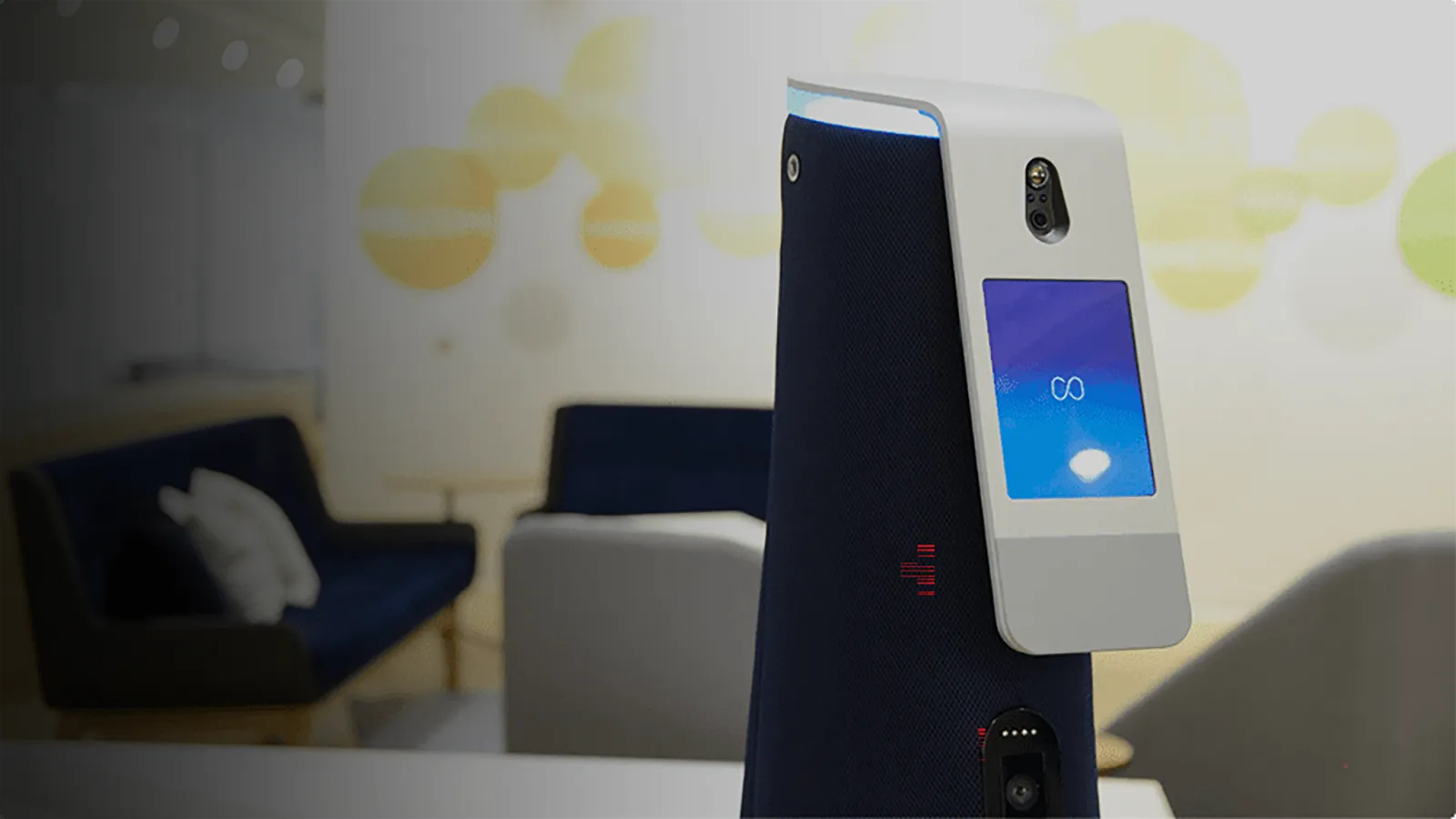
Making cosmetically designed robots possible
Cobalt Robotics wanted to make their security robots more approachable. Fast Radius met their strict specifications and reduced their urethane casting costs by 60%.
Making humans comfortable working with robots
Cobalt Robotics wanted to make approachable security robots using thoughtfully manufactured cosmetic components.
Cobalt Robotics produces security robots that make spaces safer, more secure and more productive. But, according to Alejandro Ramirez, Lead Mechanical Engineer at Cobalt, the company’s true end product is much more than that.
“Our mission is to make robots that are useful to society,” said Ramirez. “Our goal is to move toward a harmonious relationship between machines and humans.”
Cobalt’s robots are purposefully designed to not appear humanoid. But because the robot operates in spaces where humans work and live, it was important that the machine still exude an approachability and warmth that would make people feel comfortable interacting with it. That means special attention had to be paid to the cosmetic components of the machine. It was important to Cobalt that the cosmetic plating was made exactly to their design specifications, so they partnered with Fast Radius to manufacture these critical parts.
Fast Radius reduced our cost to manufacture urethane parts by 62%, painting and finishing by 90% and 3D printing by 33%.

Reducing costs and managing project logistics
The robotics industry moves at an incredibly fast pace. Design decisions and rapid iterations are constantly at play. Fast Radius met Cobalt’s need for speed and agility by providing fast response times, ongoing communication and advanced manufacturing expertise across different processes — which was handy when it came to fixing production errors.
Prior to working with Fast Radius, Cobalt struggled to find a cost-effective supplier that could deliver on the exact specifications of the product. Furthermore, most suppliers were just order takers and didn’t work with Cobalt’s team to find production improvements. Fast Radius advised that new CNC master patterns would be more accurate than Cobalt’s original FDM ones. This discovery resolved previous fitment issues and the team was able to come up with a better, more cost-effective way of producing cast urethane molds for the parts. The changes saved Cobalt 60% on urethane casting production.
The cosmetic plating was critical to creating a seamless look that would be inviting to the people interacting with the robots. Because of this, the quality considerations were twofold: The parts had to be strong and reliable, and they had to meet high aesthetic standards. From the start, Fast Radius recognized how important quality was to Cobalt, so the team was willing to go through multiple rounds of sample production and feedback in order to get the job done right.
Part of Fast Radius’s collaboration with Cobalt involved manufacturing plastic mounts meant to house directional technology and three-dimensional depth sensors. By ensuring the precision, quality and accuracy of these manufactured parts, Fast Radius enabled Cobalt’s robots to safely navigate dynamic human environments, encouraging positive human-machine interaction – part of Cobalt’s core mission. In the end, Cobalt reported that Fast Radius consistently met or exceeded Cobalt’s quality requirement of a 95% component yield.
One of the biggest benefits of working with Fast Radius is the true end-to-end service provided. Fast Radius was helpful in troubleshooting manufacturing issues as well as managing the logistics of the project. Parts were shipped quickly and easily across the globe thanks to Fast Radius’s partnership with UPS.
“Having the Fast Radius team manage all of the logistics was a huge help to my team,” said Ramirez. “We saved about two weeks in overall project time per part produced by allowing Fast Radius to handle those facets of the project, allowing my team to focus on technical aspects.”
A cost-saving manufacturing partnership that delivered quality robotics parts and seamless logistics
Have a Part in Mind? Let's Talk.
Our engineers will help you choose the right process, from prototype to production.
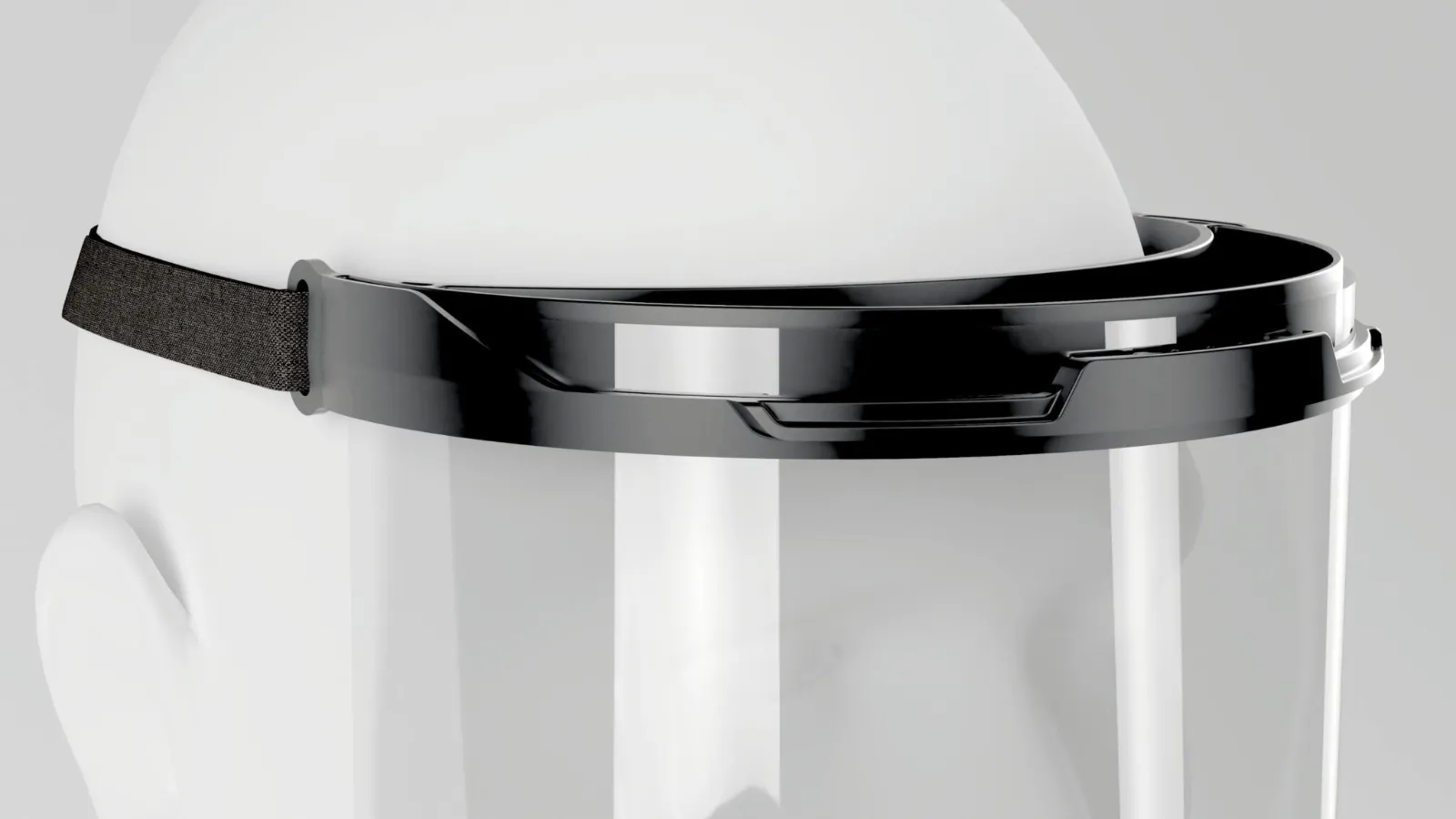
Making safer working conditions possible
To help people get back to work quickly and safely during the coronavirus pandemic, our team at Fast Radius made a durable, reusable face shield with additive manufacturing. But when demand greatly increased, we knew we needed to shift production to injection molding. Here’s how we did it.
Making a high-quality face shield more accessible
We needed to quickly ramp up production of a successful product to meet the urgency of a global health crisis.
When the COVID-19 pandemic hit the United States, our team at Fast Radius quickly pivoted a portion of our additive manufacturing capabilities to producing face shields to protect frontline workers. The shields are durable, reusable, and easy to assemble, but demand for the shields outpaced our ability to make them using additive manufacturing.
Wanting to get more shields to the essential workers who needed them, we decided to transition production from additive to injection molding. To do this, we needed to adapt the design for injection molding and stand up tooling quickly to meet the urgent demand for face shields.
Fortunately, our expert engineering and supply chain teams were up to the task.
We transition from additive production to injection molding with our customers all the time, so we knew exactly how to approach design, manufacturing, and fulfillment to get our face shield to market quickly.

Expert product development and logistics
1. Design for manufacturing expertise
We had to make significant modifications to the additive shield “halo” (or headband) to make it suitable for injection molding while maintaining its high performance. In just two days, our engineers ran 16 simulations, adjusting the design to improve performance each time. The resulting concept designs preserved the physical properties of the additive shield while avoiding poor tool conditions. We used HP Multi Jet Fusion (MJF) to print three of the concept designs and tested them for comfort and ease of assembly. After making a few adjustments based on those prototypes, we finalized the design for the tool that we used to injection mold the halo. The entire design and prototyping process for the tool took only three days.
2. Vast production and logistics network
We work with injection molding shops all over the world, and in this case, we determined that a US-based shop would allow us to get to market fastest. While we made the halos locally, we sourced the clear plastic barriers for the shields overseas. Our strategic partnership with UPS ensures that those pieces will get to our operations team quickly for assembly and packaging. To further expedite fulfillment, we established two workflows — fulfilling small orders through Amazon and shipping larger enterprise orders with UPS, directly from our Chicago factory. This approach allows us to get face shields to customers quickly so they can go back to work feeling protected.
3. Production capacity and cost savings
Switching production from additive manufacturing to injection molding allows us to produce nearly eight times as many face shield halos per day. While printing an MJF halo takes approximately 16 hours (not including cooling and post-processing), we can produce two finished halos every 36 seconds with injection molding. Our cost to manufacture the shields also fell considerably, allowing us to reduce the price of the shield by 55 percent. By shifting production from additive manufacturing to injection molding, we can now offer high-quality reusable face shields to more people at a lower cost.
4. Additive manufacturing as a bridge to tooling
We continued to 3D print the halos as we worked to get our injection molding tool up and running, so there was never a disruption in supply to frontline workers. Using additive manufacturing as a bridge to tooling is one of our specialties. Our engineers have extensive experience guiding customers through the process of designing additive products from the ground up and then adapting them for higher-volume production. We can also help adapt a traditionally-made product for additive production to meet temporary spikes in demand or provide end-of-life inventory support.
High-quality, reusable face shields at a competitive price
Have a Part in Mind? Let's Talk.
Our engineers will help you choose the right process, from prototype to production.
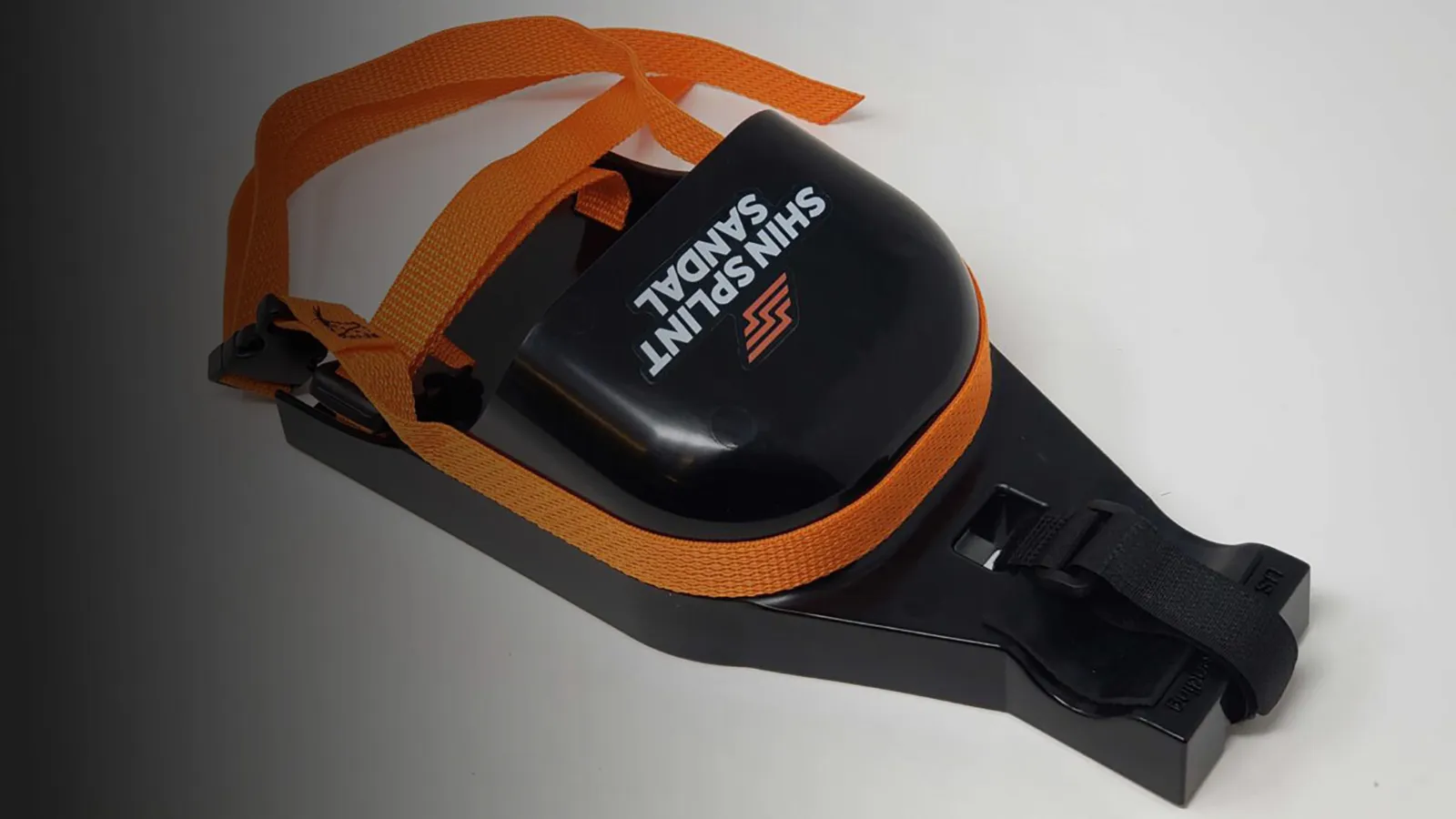
Making superior recovery possible
Flip Rehab had an idea and design for a novel solution to a common physical ailment: the Shin Splint Sandal. As a new business learning the manufacturing process, they came to Fast Radius for help bringing this idea to life and ultimately scaling production.
Taking a new physical therapy solution to market
Flip Rehab needed manufacturing experts to create Shin Splint Sandal prototypes and move into production. With Fast Radius, they found a partner to create prototypes, refine designs for manufacturability, and transition their product to injection molding.
Traditionally, the results from physical therapy for shin splints are equivalent to simply resting the leg muscles. One entrepreneur at Flip Rehab decided to create a solution that could improve results and make a bigger impact. Inspired by swimming flippers, they developed a product that conditions and strengthens the lower leg and shin muscles to improve recovery and reduce the risk of future injury. Thus, the Shin Splint Sandal was created – they developed an initial CAD model; however, making the model into a real product was difficult.
With the CAD model in hand, 3D printing was the natural next step, but there were a few barriers to overcome. First, the designer had no experience with 3D printing and needed an expert to help. Second, the initial prototypes measured 18 inches long – much too large for a hobbyist desktop printer – and needed additional design changes to be manufacturable. Fast Radius was a natural fit to provide design for manufacturing feedback and start printing the prototypes on industrial-grade 3D printers.
Fast Radius’ team optimized designs for manufacturability and began printing small numbers of prototypes with Fused Deposition Modeling (FDM). Through multiple design iterations and quick manufacturing cycles, the Shin Splint Sandal design was finalized, with a U.S. patent pending. Fast Radius’ team then helped adapt the design for injection molding, ensuring it can be mass-produced to the quality and specifications necessary for consumer use.
When you’re trying to create something new, it’s a huge advantage to have a true partner on your side. Fast Radius gave me the options I needed and had the resources to help me manufacture my product from start to finish.

A manufacturing partnership from prototype to production
1. Rapid prototyping
Flip Rehab needed the opportunity for real-world testing to improve prototypes before determining a final design. With rapid manufacturing in Fast Radius’ FDM microfactory in the UPS Worldport facility in Louisville, prototypes were quickly produced and shipped to meet tight turnaround needs.
2. Ongoing design support
As a small startup, Flip Rehab needed external help refining FDM prototype designs for manufacturability. Fast Radius’ Customer Application Engineers provided hands-on support for each design iteration to ensure the prototypes would fit manufacturing standards and functional requirements.
3. Scaling to injection molding
To transition from individual prototypes to injection molding, Fast Radius’ team helped address common injection molding design challenges like wall thickness. The final parts, injection-molded with Nylon 12, are much stronger than original prototypes and can be manufactured in larger volumes without visual or structural flaws.
4. Transparent partnership
Developing and scaling a new product can be a massive challenge, especially when navigating the manufacturing industry for the first time. Fast Radius provided Flip Rehab with the insight needed into the process and costs of manufacturing, offering a variety of different manufacturing processes and cost breakdowns to help them make the best decision for their business.
Manufacturing support to refine and scale a new recovery tool
Have a Part in Mind? Let's Talk.
Our engineers will help you choose the right process, from prototype to production.
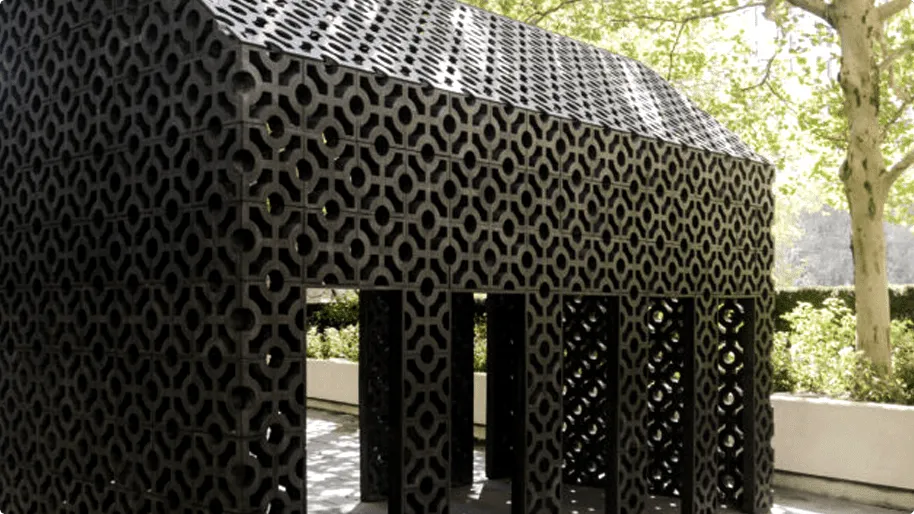
Making visionary art possible
Navillus Woodworks was tasked with the production of an outdoor art installation that could weather Chicago’s harsh climate. Fast Radius’s advanced manufacturing expertise helped make it possible.
Bringing an artistic vision to life with advanced manufacturing
Navillus Woodworks needed custom molds for an art installation made outside the realm of traditional manufacturing.
Artist Edra Soto was commissioned to build an outdoor installation in Chicago’s iconic Millennium Park, where she envisioned creating a 10-foot-tall structure that could withstand Chicago’s harsh climate. She partnered with Navillus Woodworks to construct the installation, which would be composed of more than 400 custom-cast concrete blocks. Soto’s stunning Screenhouse installation is a rich immersive experience that evokes decorative screens (known as rejas and quiebrasoles in Soto’s native Puerto Rico) to create a free-standing social structure that challenges the distinction between public and private spaces.
Though the Navillus team were experts in traditional manufacturing methods, they knew little about making molds for casting Ductal® concrete material. The center support structures in the mold proved especially difficult. The Navillus team had unsuccessfully tried several methods to craft the center pillars, including CNC, when they turned to the Fast Radius team.
The guidance we got from the Fast Radius team proved invaluable. Together we were able to make mold components that met our mechanical specifications, budget and timeline. The results speak for themselves.
Rapid iteration and engineering expertise
1. Manufacturing expertise
Fast Radius engineers determined that the parts could be made of Polyamide 12 (PA 12) printed on HP Multi Jet Fusion (MJF) equipment. MJF produces fully densified, near-isotropic PA 12 parts, meaning the material retains its physical properties regardless of direction. Fast Radius knew this method would produce parts that stood up to the concrete casting process without compromising the structural integrity of the mold. MJF was also well-suited to the low-volume production Navillus needed because it doesn’t require any costly machining or mold creation.
2. Rapid iteration
The Navillus team tried machining the molds with a CNC router, but the process was time-consuming and expensive. Mistakes proved costly; a machining or routing issue meant starting the whole process over. Plus, the Corian parts they machined were too heavy for the mold. With HP MJF technology, Navillus and Fast Radius printed and tested three design iterations in a matter of only 10 weeks before settling on the final design. And because MJF parts are suitable for end-use, Navillus tried out the prototypes in the context of the rest of the mold. The team settled on a design that was thin, lightweight and suited to concrete casting.
3. Application engineering
Fast Radius’ team of expert industrial designers and engineers made rapid iteration possible through their expertise in designing for additive manufacturing (DfAM). In the case of Screenhouse, Fast Radius and Navillus discovered that MJF technology could produce light, hollow structures without sacrificing the mechanical strength needed to support concrete. Fast Radius further saved material cost for Navillus by optimizing the design to fit multiple parts in each build. Fast Radius ultimately produced nine PA 12 parts for each block mold and supplied Navillus with 21 sets of parts. It took three months from the moment Navillus met Fast Radius until they had parts in hand.
4. A striking installation
The Screenhouse installation went up in Millennium Park’s Boeing Gallery North (near the iconic sculpture Cloud Gate, or “The Bean”) in October of 2019, and the finished product reflected Soto’s vision. It casts a striking silhouette and will weather an entire year in Chicago.
“Our mission is to make new things possible to advance the human condition, and I can think of no better way to serve that mission than helping bring Edra Soto’s beautiful design to life in our city’s famed Millennium Park,” said Fast Radius Chief Executive Officer Lou Rassey. “This project shows the potential of additively manufactured molds to redefine construction project design.”
An iconic art installation made with the support of advanced manufacturing
Have a Part in Mind? Let's Talk.
Our engineers will help you choose the right process, from prototype to production.
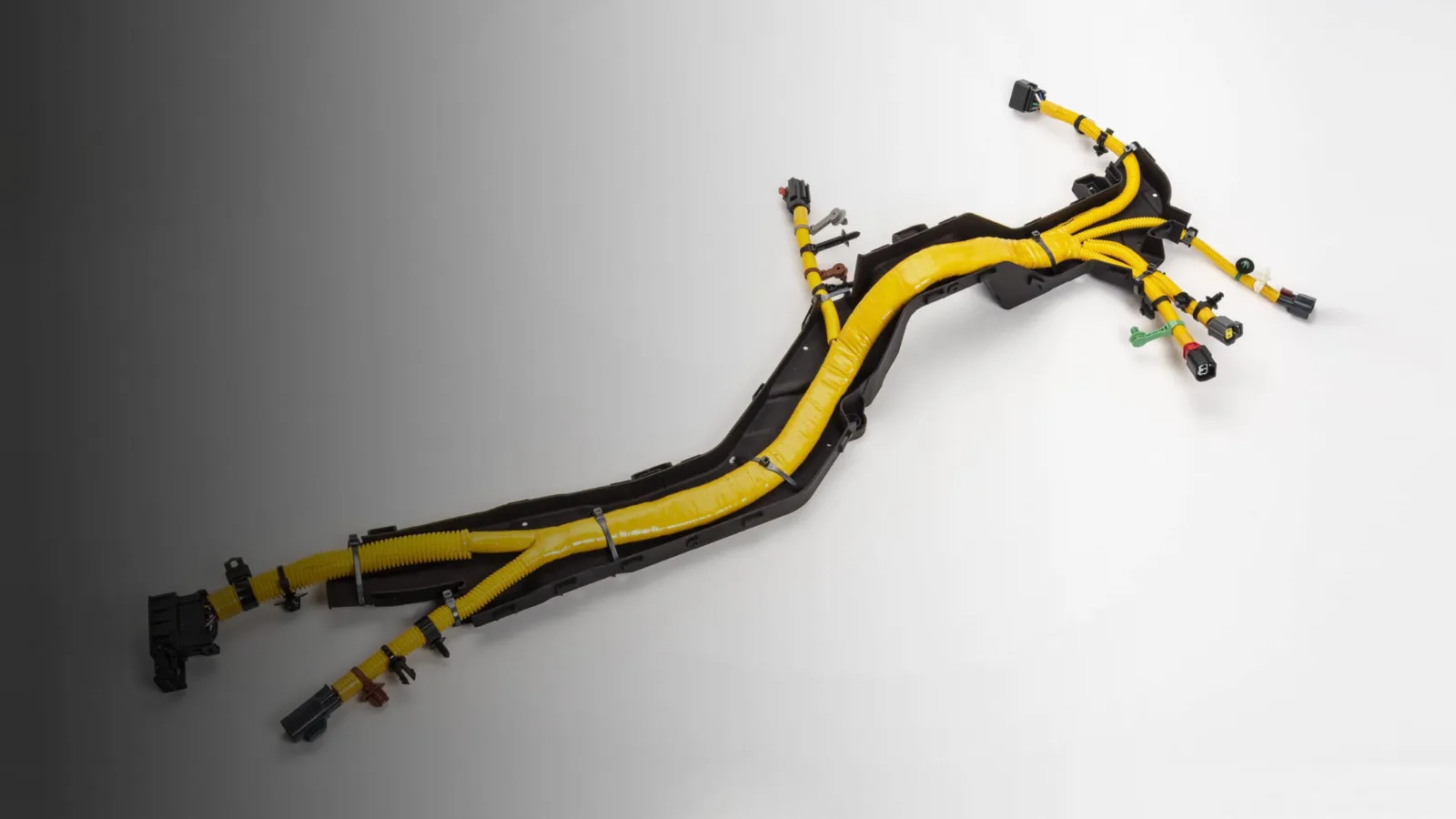
Making faster automotive innovation possible
HellermannTyton needed to manufacture a package of wire routing aids for a prototype vehicle. These parts were large and complex, even for additive manufacturing, and the company was faced with a restricted timeline to meet customer demand. Fast Radius rose to the challenge and helped HellermannTyton produce plastic parts quickly.
Meeting tier one automotive expectations
HellermannTyton is a leader in designing and manufacturing cable management products. When automotive OEMs want innovative wire harness solutions, they turn to HellermannTyton. When the company came up against a project that required additive manufacturing and fast timelines, they turned to Fast Radius.
HellermannTyton was tasked by a tier one automotive company with manufacturing a series of wire routing aids for a new prototype vehicle. The plastic wire routing aids help mount and guide the wire harnesses throughout the vehicle’s interior, ensuring that electrical wires are safely secured. Due to the large size and complexity of these parts, HellermannTyton needed to modify the designs by splitting them into two to four smaller sections that could be produced within the machine’s build volume. The sections themselves aren’t small; each one could measure nearly 13 inches with the final assembly coming out at nearly 46 inches.
Typically, large plastic parts are a perfect fit for production injection molding. But this was a low-volume run, which meant that injection molding would be too costly. Not to mention, the team had exactly six weeks to produce over 1000 parts for the first run. HellermannTyton teamed up with Fast Radius to tap into their additive manufacturing capabilities needed and to meet the rigorous demands of the project.
We like working with Fast Radius because they truly understand the needs of automotive companies. When it comes to this industry, Fast Radius knows what best-in-class looks like and how to deliver the parts we expect.

Powerful production capacity and expertise
1. HP Multi Jet Fusion (MJF) capabilities
The combination of fast lead times, low-volume runs, and complex assemblage made additive manufacturing the right choice for production. However, it was important that the technology used to manufacture the routing aids had the right build capacity and materials to meet quality requirements. Because of these considerations, HellermannTyton chose HP MJF and PA12 for the project. Fast Radius had the production capacity through both their own fleet of HP MJF machines and their network of partners to meet the project’s lightning-fast timelines. This saved HellermannTyton time and costs by using Fast Radius as a one-stop shop for all of their MJF needs.
2. Simplified post-production and assembly
Each routing aid is custom-built to match the internal framework of the vehicle. The components have complex geometries that require assembly to the wiring harness. HellermannTyton worked with Fast Radius to print sections with mating geometry that when used in combination with adhesive creates a reliable finished product. Fast Radius’ on-site factory tech team worked closely with HellermannTyton to deliver on the post-processing requirements, which included part dyeing, assembly, and specialized shipping. The parts also had a very high success rate thanks to Fast Radius’ extensive experience in manufacturing with HP MJF.
3. Agile and fast partnership
As the automotive industry continues to evolve and innovate, fast project timelines are becoming the norm. Fast Radius had six weeks to deliver the first few thousand parts. While some manufacturing partners would balk at that timeline, Fast Radius got right to work, ensuring the parts would be delivered on time at a very affordable cost. Fast Radius prides itself on being a true partner, flexible and quick so HellermannTyton could produce a big win with their customer.
4. Reduced costs and lead times
HellermannTyton was able to eliminate the upfront cost of injection molding tooling and trials for the customer. It’s estimated that 3D printing saved nearly $1 million. Partnering with Fast Radius for additive manufacturing enabled HellermannTyton to meet the very fast lead time their customer required; the teams were able to save nearly two months in typical project lead time.
Additive manufacturing with Fast Radius saved HellermannTyton time and money
Have a Part in Mind? Let's Talk.
Our engineers will help you choose the right process, from prototype to production.
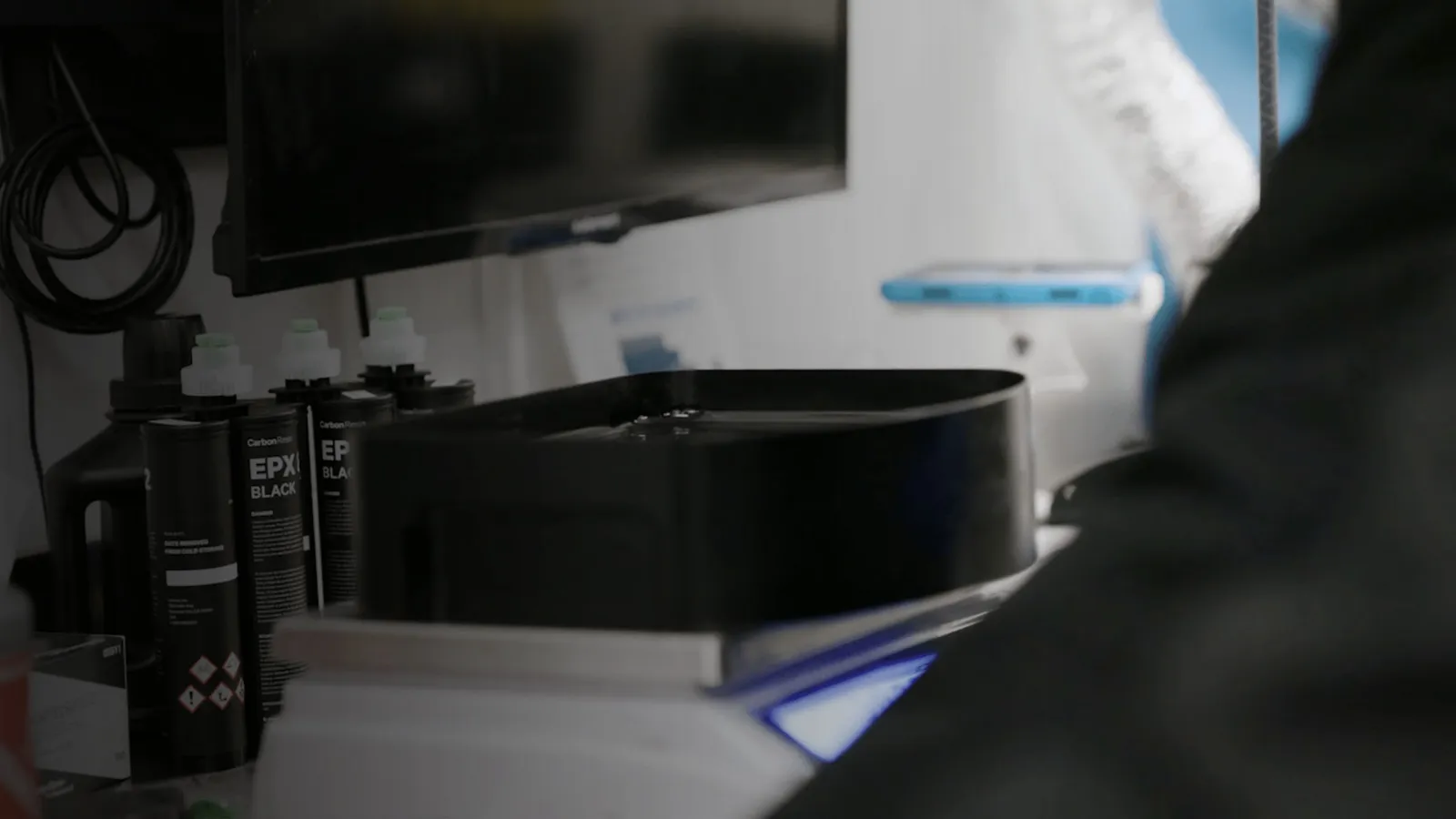
Making easy automotive diagnostics possible
TE Connectivity needed to manufacture a new electrical connector for a diagnostic module used by a major American automaker. Working with Fast Radius and Carbon®, they found a solution that produced end-use quality parts quickly, without the capital expenditure of injection molding.
Manufacturing an automotive-quality electrical connector quickly without major capital expenditures
TE Connectivity needed to make an automotive part quickly, in relatively small volumes using automotive-approved materials.
A major American automaker approached TE Connectivity with a challenge. They needed a connector for a fast-feedback diagnostic module meant to be used in several hundred cars at a time. In these small volumes, neither the automaker nor TE Connectivity could justify injection mold tooling costs, which might approach $100,000 for this part.
Moreover, the connector needed to be made with a durable, rigid, serial-grade plastic that could withstand real-world conditions and eventually pass an automotive part production approval process (PPAP). TE Connectivity knew how to design the optimal connector for their customer, but they needed a manufacturing partner who could produce a part that met their specifications.
Together, Carbon and Fast Radius made TE Connectivity’s vision a reality. With its ability to create durable parts using automotive-quality materials, the Carbon DLS™ process was the ideal way to make the connector. Fast Radius’ scalable DLS production capacity and extensive experience making end-use parts for the automotive industry allowed TE Connectivity to move into production quickly and efficiently.
The working relationship between our companies has made the program a success. Together, Fast Radius and Carbon were able to anticipate and solve all the design and manufacturing challenges that got in our way. The result is an auto-quality part that we can produce at scale.

Durable material and scalable production
1. Automotive-certified materials
TE Connectivity chose to make the connector with Carbon EPX 82 because of its rigidity, strength, and temperature resistance. Used extensively in the auto industry, EPX 82 has gone through USCAR testing, heat age cycling, fluid resistance tests, and has been approved for other serial automotive production parts. TE Connectivity was confident that EPX 82 would meet their customer’s stringent requirements.
2. Design freedom
TE Connectivity leveraged a couple key benefits of additive manufacturing in their design for the electrical connector. They serialized each part with a unique, digitally applied number, allowing each part to be fully traced through the supply chain. Printing the serial number directly on the part saves time since serial numbers typically have to be added after a part is molded or casted. TE Connectivity also simplified and improved the product design by incorporating performance features that could only be achieved with the DLS process.
3. Rapid iteration
TE Connectivity went through three rounds of iterations in just a few weeks before landing on the optimal design for the connector. With each round, Fast Radius produced new production-grade parts in a matter of days, rather than the weeks or months a similar revision would take with molding. Plus, each minor design alteration didn’t cost anything, whereas a new tool would cost thousands or even tens of thousands to alter. TE Connectivity’s customer was able to test these parts in the field much sooner than would be possible in a traditional product development cycle because the connectors are made with the same material and process as the end-use parts.
4. Scalable production capacity
TE Connectivity’s customer initially needs a few thousand electrical connectors made. This isn’t enough to justify the capital expenditure of an injection molding tool, but it’s more than a prototyping shop can handle. Fast Radius has a certified automotive-grade quality system and the manufacturing infrastructure required to make end-use production parts in any quantity. This allows TE Connectivity to scale production as their customer’s needs evolve. If demand for the product grows to the point where injection molding makes economic sense, Fast Radius can manage the entire bridge to tooling process as well.
A collaboration that makes automotive-quality parts faster, better, and less expensive.
Have a Part in Mind? Let's Talk.
Our engineers will help you choose the right process, from prototype to production.
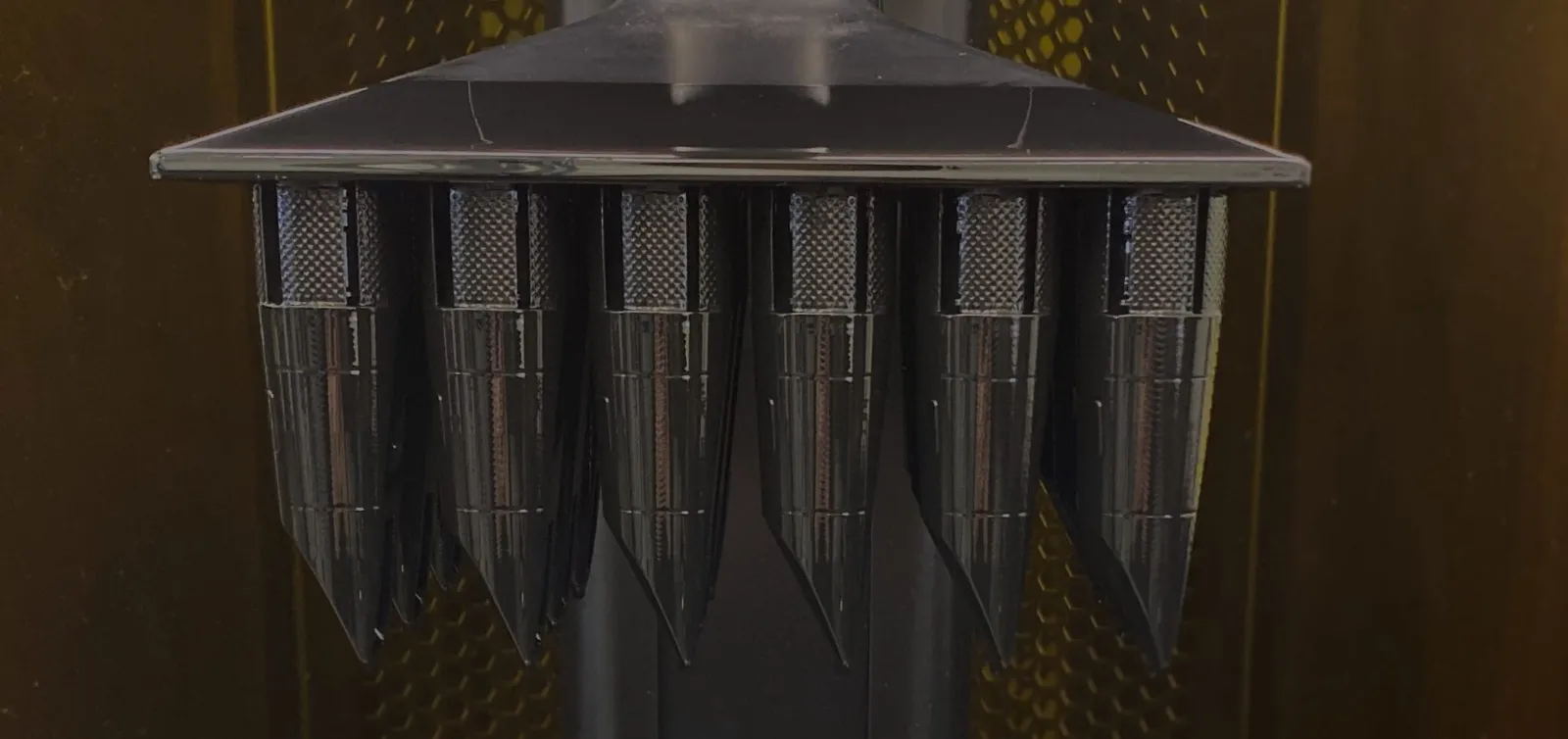
Making beautiful music possible
ClarinetXpress needed to find a way to make high-performing clarinet mouthpieces for elite musicians after they lost a trusted supplier. Fast Radius helped them leverage the unique benefits of additive manufacturing to find a long-term production solution.
Improving design, manufacturing, and fulfillment with additive manufacturing
After losing their longtime CNC supplier, ClarinetXpress struggled to find a partner who could meet their expectations for quality and turnaround time.
World-renowned clarinet technician and authority Walter Grabner founded ClarinetXpress more than 20 years ago to bring professional-grade clarinet mouthpieces to musicians around the world. His mouthpieces have made music in venues like Carnegie Hall and the Sydney Opera House. For years, ClarinetXpress products were made by a skilled machinist in Germany. When this manufacturing partner decided to retire, ClarinetXpress needed to quickly find another way to make their mouthpieces.
They tried other CNC machining providers first, but they took too long to deliver prototypes and none could produce the quality needed. That’s when ClarinetXpress decided to try additive manufacturing.
Their first attempt at 3D printing didn’t produce acceptable results, so they turned to Fast Radius. By taking advantage of Fast Radius’s design expertise and the unique benefits of additive manufacturing, ClarinetXpress improved its design, manufacturing, and fulfillment processes.
The capacity to produce prototypes quickly is invaluable to me. Being able to make quick changes and alterations to my mouthpieces has allowed me to deliver an exceptional product to my customers.
Additive manufacturing breathes new life into musical instrument production
1. Engineering expertise
ClarinetXpress tried other 3D printing companies, but the resulting mouthpieces did not look or feel smooth enough. Determined to find a better solution, the application engineers at Fast Radius sat down with Grabner to understand his performance and aesthetic requirements. They determined that Rigid Polyurethane (RPU 70) printed on Carbon® Digital Light Synthesis™ (DLS™) technology would give the mouthpieces the right look, feel, and sound.
2. Rapid prototyping
ClarinetXpress and Fast Radius went through several rounds of rapid prototyping within a few weeks. Making a single prototype with their former supplier would have taken at least a month. At each step in the process, the Fast Radius team helped ClarinetXpress optimize their designs for Carbon technology. Now that ClarinetXpress is more familiar with designing for additive manufacturing, they can prototype even faster.
3. Reliability and repeatability
Even the tiniest variation in a mouthpiece can alter the sound of a clarinet drastically. Mouthpieces need to meet precise specifications to achieve the quality and pitch demanded by elite musicians. With additive manufacturing, ClarinetXpress produces parts that meet these requirements, down to one hundredth of a millimeter in some cases. This makes more uniform products than ClarinetXpress achieved with CNC because Carbon DLS technology uses the same digital design to make identical parts every time.
4. Customization
ClarinetXpress can customize their products much more easily with additive manufacturing. With CNC, each mouthpiece had to be stamped or hand engraved with their logo after it was fabricated. With additive, ClarinetXpress prints the logo right on the part, eliminating the headache and cost of managing another step in the production process.
5. Low volume production and the virtual warehouse
When making a small number of parts, the economics of legacy manufacturing methods don’t always add up. ClarinetXpress frequently needs a relatively low volume of mouthpieces, comprising several different types and sizes. Where legacy processes would likely require them to order a large minimum number of each mouthpiece, additive allows them to order only as many as needed, without incurring extra cost. This approach creates a Virtual Warehouse™ for ClarinetXpress; instead of ordering mouthpieces in bulk and storing them, they can now place orders for small batches to meet immediate demand.
A long-term solution for quickly and reliably producing high-quality, customized clarinet mouthpieces
Have a Part in Mind? Let's Talk.
Our engineers will help you choose the right process, from prototype to production.
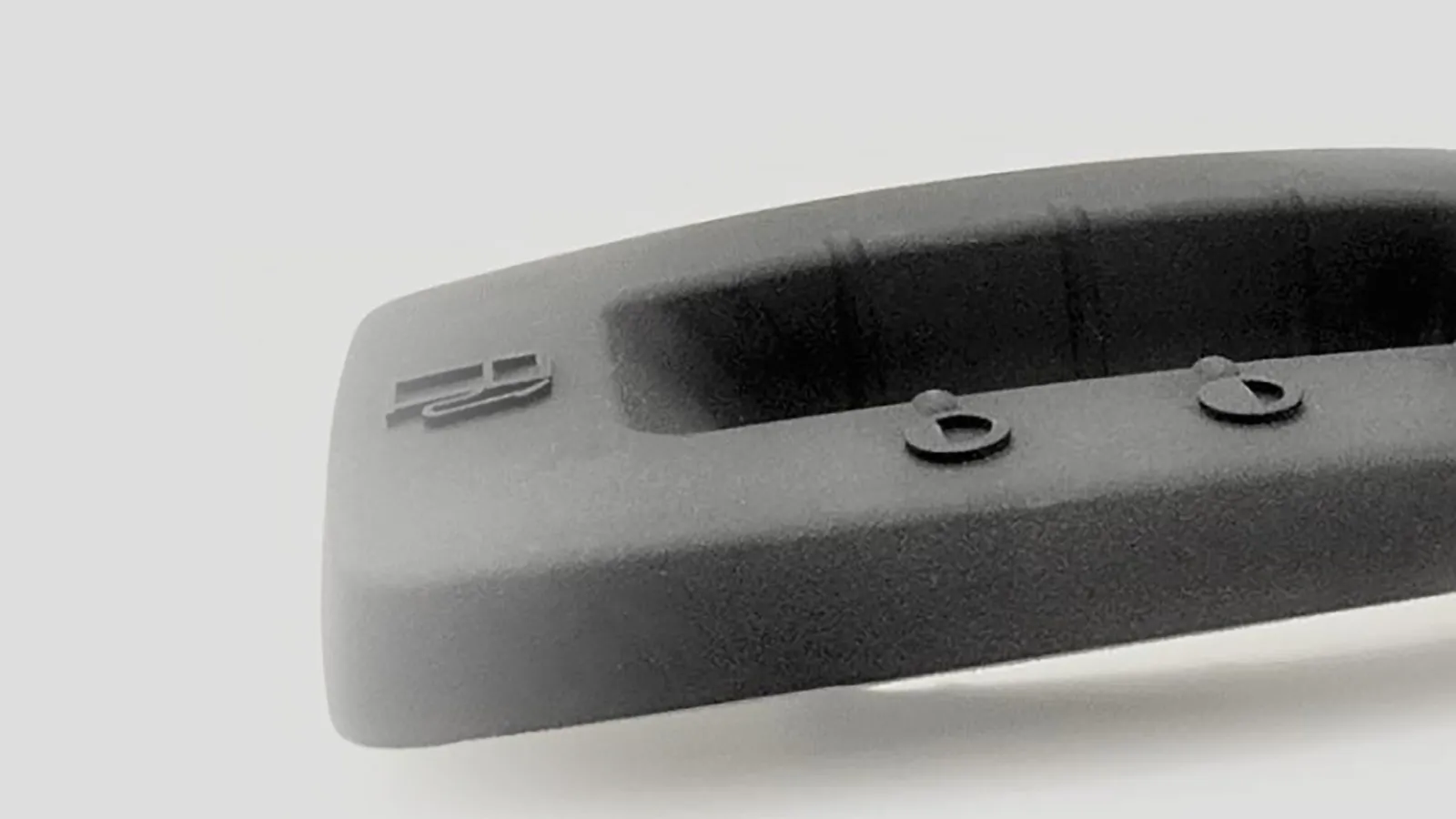
Making sustainable manufacturing possible
Husqvarna Group wanted to streamline their spare parts supply chain and reduce their carbon footprint. Fast Radius made it possible with additive manufacturing and a Virtual Warehouse™.
Transforming the supply chain with additive manufacturing
The Fast Radius team worked with Husqvarna Group to identify spare parts that could be made more efficiently and sustainably through additive manufacturing — driving a reduced carbon footprint, improved customer experience and lower costs.
Husqvarna Group, based in Sweden, is a global leader in outdoor power products for forest, park and garden care that has a 300-year history of producing high-quality, leading-edge products. One of the reasons Husqvarna Group has remained successful for so long is its ability to evolve with shifting technology and customer demands.
When 3D printing began to reach production-grade levels, Husqvarna Group naturally wanted to explore how an advanced manufacturing approach could drive impact for their business. They partnered with Fast Radius to make it possible.
Additive manufacturing lowered costs, improved customer experience and reduced Husqvarna’s carbon footprint.

Part validation and supply chain transformation
1. Identifying parts and manufacturing methods
Fast Radius’s application engineers collaborated with Husqvarna Group to identify parts they could produce reliably at scale with additive manufacturing. Once the parts were selected, Fast Radius drew on extensive expertise in additive technologies to determine the best way to make the parts based on cost and performance requirements. HP Multi Jet Fusion (MJF) and Carbon® Digital Light Synthesis™ (DLS) were chosen as the ideal technologies for handling Husqvarna Group’s broad range of parts.
2. Part approval process
Once the teams identified families of parts that could be produced additively, they needed to validate the parts’ performance and durability to certify them for production and sale. This meant performing UV resistance tests, chemical resistance tests, days-long cycle tests and ultimately evaluating real-world performance in the field. The end result is a rigorous Production Part Approval Process (PPAP) that enables Husqvarna Group and Fast Radius to reliably make existing parts and onboard new ones.
3. Virtual Warehousing
After parts pass Husqvarna Group’s PPAP, the designs and production specifications are stored digitally in the Fast Radius Virtual Warehouse, meaning parts can be made on demand when they’re needed in any quantity. This eliminates the supply chain costs associated with traditional manufacturing including tooling, warehousing, high minimum order quantities, material waste and part obsolescence.
4. Enhancing the customer experience
The Virtual Warehouse enables a better experience for Husqvarna’s customers, too. With traditional manufacturing, if a customer needs a part that isn’t readily available, replenishment can take weeks. Even worse, parts for older products might not be available at all if they’ve reached “end of life.” Now, when a Husqvarna Group customer needs a replacement part that’s hosted in the Fast Radius Virtual Warehouse, Fast Radius can produce and deliver the part in a matter of days. The part will never be out of stock again, giving peace of mind to Husqvarna Group’s end customers.
5. Sustainable manufacturing solutions
Additive manufacturing is an element in Husqvarna Group’s sustainability program, “Sustainovate,” which establishes publicly recognized and testified CO2 reduction targets for the year 2035. Unlike traditional manufacturing processes, which require high minimum order quantities, additive allows for economical production in units as small as one. Because of this, Husqvarna Group can produce only as many parts as their customers need at a time — no more, no less — resulting in less material waste, no obsolete parts and a lower carbon footprint.
An efficient and sustainable supply chain made possible by additive manufacturing and a virtual warehouse
Have a Part in Mind? Let's Talk.
Our engineers will help you choose the right process, from prototype to production.
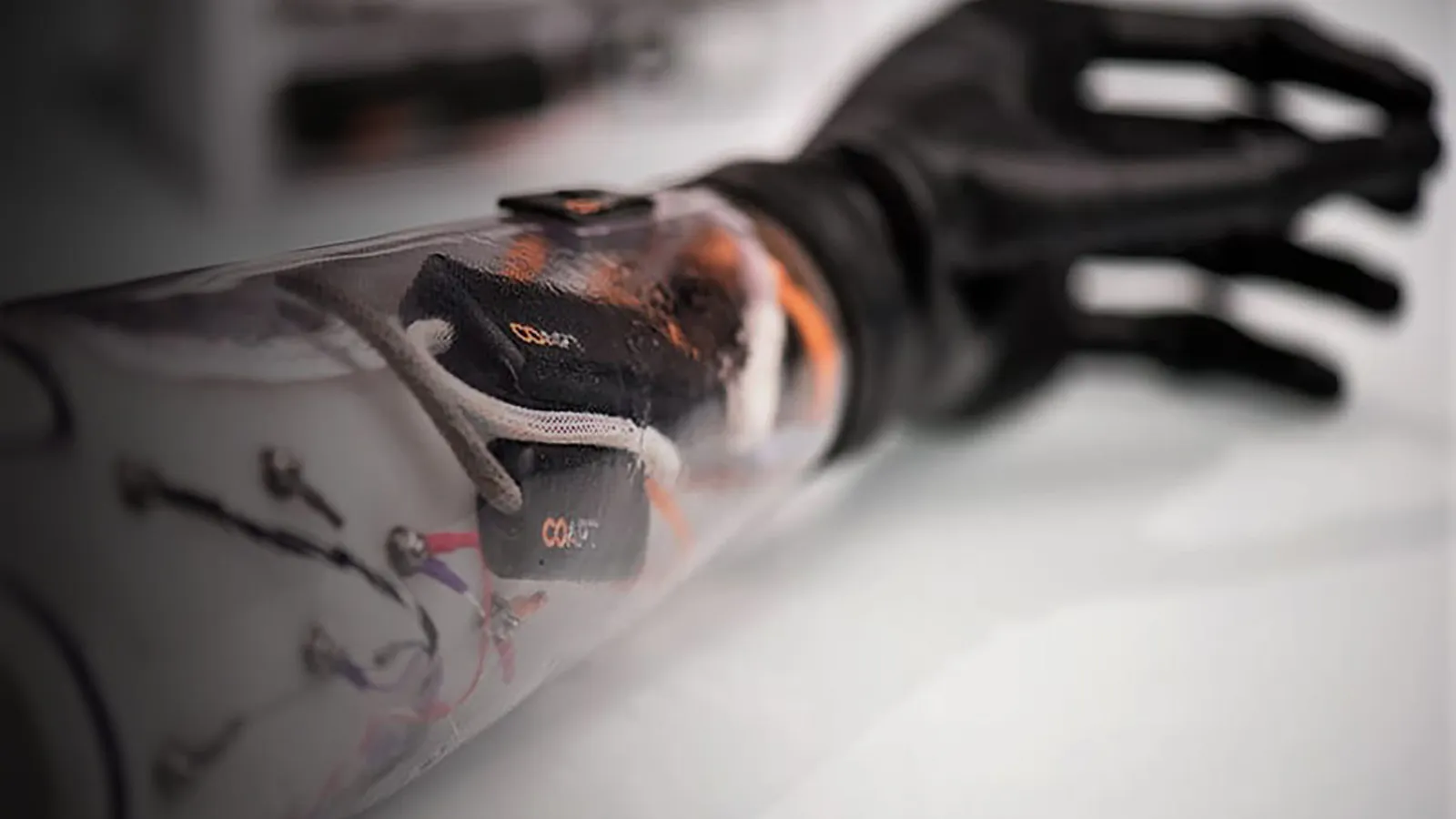
Making controlled movement possible
Coapt needed help bringing its next-generation prosthetic arm to life under a tight deadline. Fast Radius optimized 36 unique part designs for efficient additive manufacturing.
Producing the next generation of prosthesis components in record time
Coapt wanted to make movement second nature with a completely redesigned, innovative medical device.
Coapt is a Chicago-based company that produces myoelectric pattern recognition systems for upper limb prostheses. The Coapt COMPLETE CONTROL system enables people who have lost their upper limbs to fully control movement in their prosthetic arms. It does so through an electrical pattern recognition system that captures coordinated muscle signals sent through the brain, decodes the patterns in real time and translates them into the wearer’s intended movement – such as picking up an object or waving a hand.
In 2018, Coapt gathered enough optimization feedback to begin production on the second generation of COMPLETE CONTROL. This meant retooling the system’s software and redesigning the hardware components. Fast Radius’s innovative manufacturing processes could design and deliver the product in record time.
Fast Radius helped us understand all of the additive technologies and materials that were available to us for this project. They guided us in the right direction based on our requirements and were able to give us feedback on how to improve our designs for 3D printing.

Rapid prototyping and development
1. Redesign for additive
There were many parts that Coapt wanted to test and make differently in the next wave of COMPLETE CONTROL. And it wasn’t just the geometries that Coapt wanted to iterate, it was also the textures and aesthetics of the parts. With so many variables to consider, injection molding just didn’t make sense — Coapt needed a partner like Fast Radius to redesign several parts of COMPLETE CONTROL. Luckily, Fast Radius provides expert engineering to support additive processes, specifically Carbon® Digital Light Synthesis (DLS) and HP Multi Jet Fusion (MJF).
2. Creating small parts at scale
Nearly a dozen core components make up the second generation of COMPLETE CONTROL, each manufactured using the most efficient process for that part. Two of those parts are the calibration button and can plugs. Because of their size and aesthetic requirements, both are manufactured using Carbon® DLS technology and EPU 40 material.
3. Meeting low volume production needs
Coapt chose to make one more critical part using additive manufacturing: The fabrication dummy, a part that the prosthetist uses to ensure that the electronic circuit board housing fits correctly within the wearer’s prosthetic. This part is made using PA 12 material with HP MJF technology – a perfect fit based on the part’s need for rigidity and light weight.
4. Rapid iteration
Over 12 weeks, Fast Radius printed 36 unique designs yielding 195 parts for the Coapt team to test and evaluate. Instead of investing in on-site 3D printing technology for prototyping, Coapt tapped into Fast Radius’s technology infrastructure to make rapid iterations as needed.
A strategic manufacturing partnership – from design optimization, to prototyping, all the way to production
Have a Part in Mind? Let's Talk.
Our engineers will help you choose the right process, from prototype to production.